
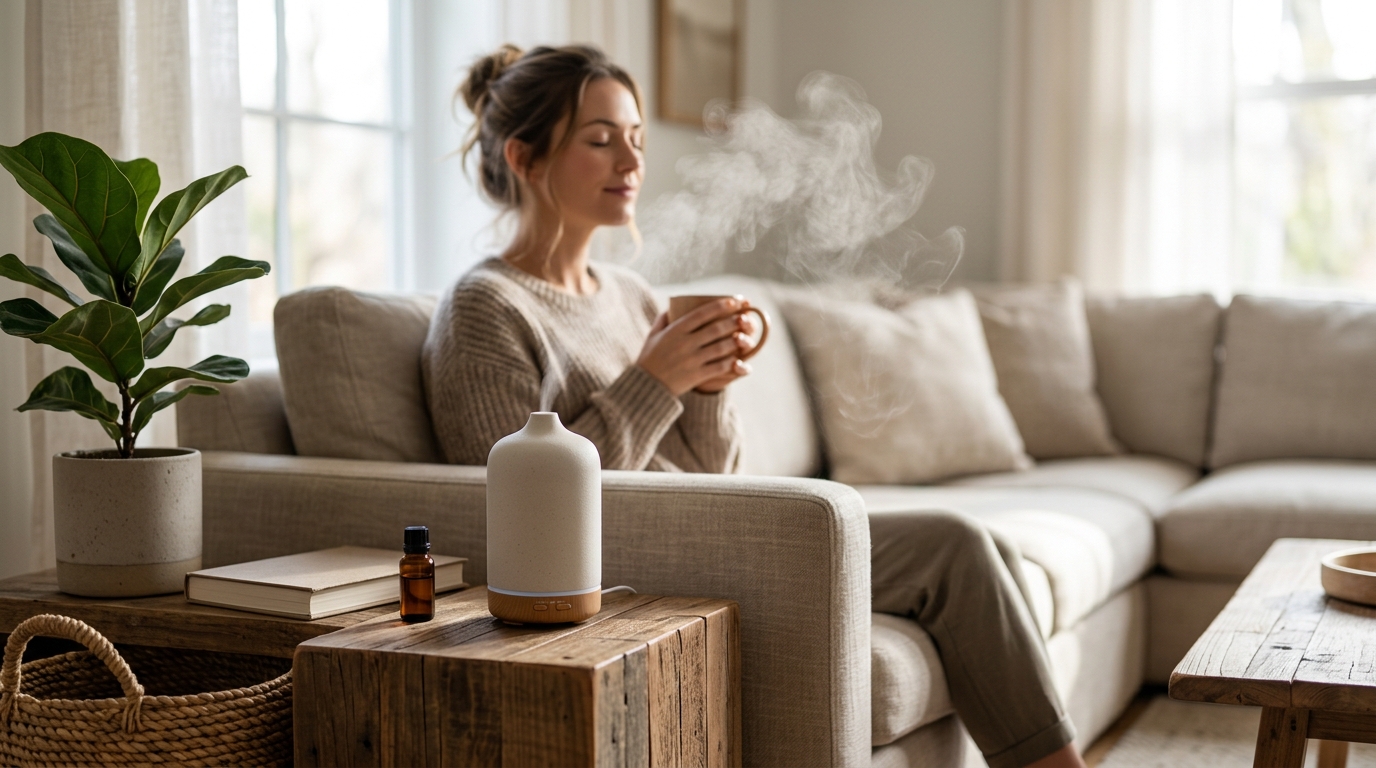
Aromatherapy and indoor air quality management have evolved from niche wellness trends into standard home maintenance practices. According to the National Association for Holistic Aromatherapy, over 60% of households now incorporate essential oils into their daily routines for mood regulation and environmental freshness. This shift reflects a broader consumer demand for non-invasive, chemical-free methods to enhance living spaces. Understanding the mechanics and advantages of diffusers is essential for homeowners seeking to optimize their indoor environment without relying on synthetic fragrances or heavy cleaning agents. (About Us 8211 Acadiana)
Understanding Diffuser Types
Not all diffusers operate on the same principle. Selecting the right device depends on your specific goals, whether that is maximum humidity, silent operation, or potent scent dispersion. The primary categories include ultrasonic, nebulizing, evaporative, and heat-based models. (Acadiana Patios amp Construction)
Ultrasonic Diffusers
Ultrasonic diffusers are the most popular choice for residential use. They use electronic oscillations to create a fine mist of water and essential oils. This method adds humidity to the air, which is particularly beneficial in dry climates or during winter months. The gentle mist disperses scent evenly without degrading the therapeutic properties of the oils. (Acadiana Patios amp Construction)
Nebulizing Diffusers
Nebulizing diffusers do not use water. Instead, they use a jet of air to break essential oils into microscopic particles. This creates a highly concentrated aroma that fills a room quickly. Because no heat or water is involved, the chemical composition of the oil remains intact. This makes them ideal for therapeutic applications where potency is critical. (Blogs 8211 Acadiana Patios)
Evaporative and Heat Diffusers
Evaporative diffusers use a fan to blow air through a filter saturated with essential oils. Heat diffusers use a flame or heating element to warm the oil, causing it to evaporate. While these methods are effective, heat can alter the molecular structure of some delicate oils, potentially reducing their therapeutic value. Evaporative methods are generally more energy-efficient but may disperse scent unevenly.
Health and Wellness Benefits
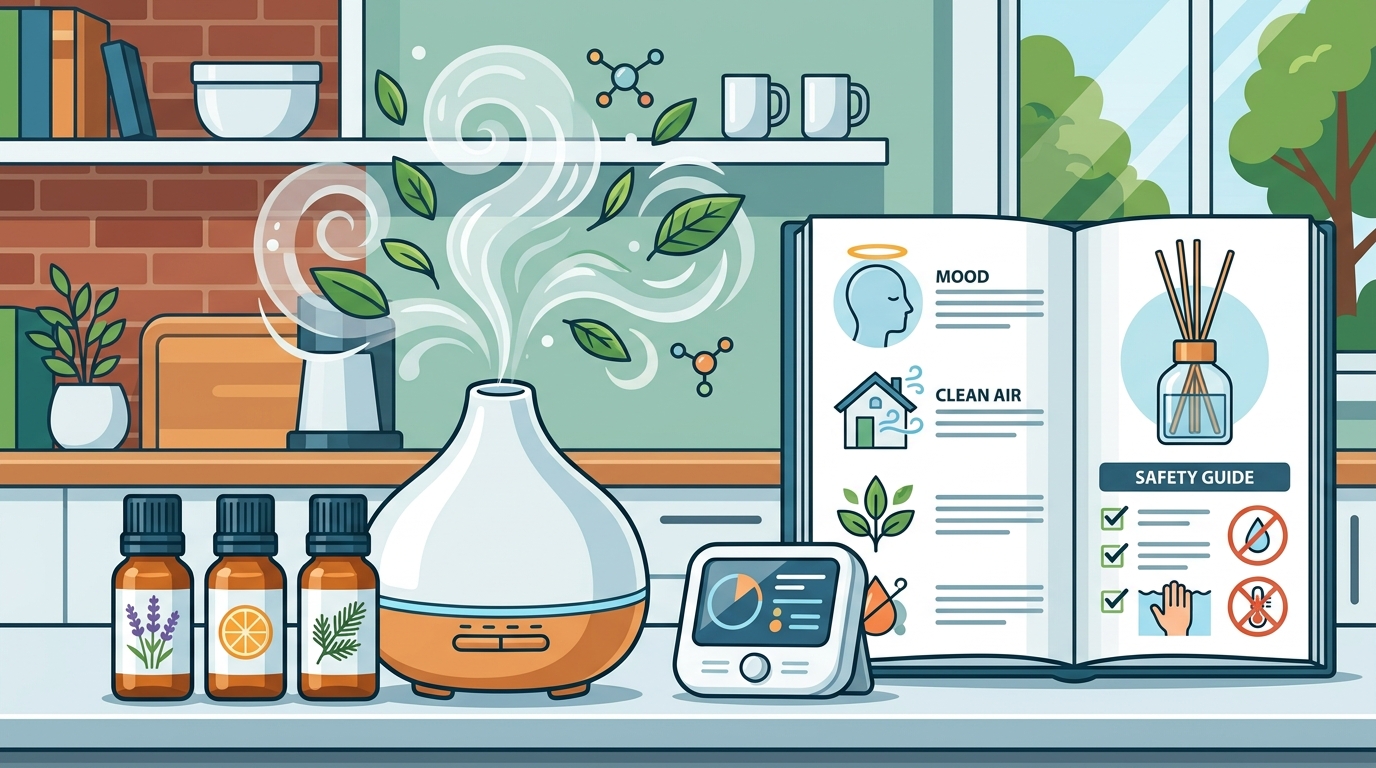
The integration of diffusers into home environments offers several documented health advantages. These benefits range from psychological mood enhancement to physical respiratory support.
Mood Enhancement and Stress Reduction
Aromatherapy works by stimulating the olfactory system, which is directly connected to the limbic system in the brain. This connection influences heart rate, blood pressure, and stress levels. Studies indicate that inhaling lavender or chamomile can significantly reduce cortisol levels. This makes diffusers an effective tool for managing anxiety and promoting relaxation in high-stress households.
Sleep Quality Improvement
Poor sleep affects nearly 35% of adults in the United States. Using a diffuser with sleep-promoting oils like ylang-ylang or cedarwood before bedtime can improve sleep quality. The consistent, gentle scent helps signal to the body that it is time to rest. This non-pharmaceutical approach to sleep hygiene is gaining traction among health-conscious consumers.
Respiratory Support
Certain essential oils, such as eucalyptus and peppermint, have natural decongestant properties. When diffused, these oils can help clear nasal passages and improve breathing. This is particularly useful during allergy seasons or when dealing with minor colds. The humidifying aspect of ultrasonic diffusers also helps keep mucous membranes moist, reducing irritation.
Improving Indoor Air Quality
Indoor air quality is often worse than outdoor air due to pollutants trapped within homes. Diffusers can play a role in mitigating these issues when used correctly.
Antimicrobial Properties
Many essential oils possess natural antimicrobial, antiviral, and antifungal properties. Oils like tea tree, lemon, and oregano can help reduce the concentration of airborne pathogens. While diffusers are not a substitute for professional air purification systems, they can complement them by reducing microbial load in the air.
Elimination of Odors
Instead of masking odors with synthetic perfumes, diffusers can neutralize them. Essential oils like citrus and pine have natural deodorizing effects. This is particularly useful in homes with pets or in areas prone to moisture and mold smells. The natural compounds in the oils break down odor-causing molecules rather than covering them up.
Comparing Diffuser Technologies
Choosing the right diffuser requires balancing factors like noise, maintenance, and scent intensity. The table below outlines the key differences between the primary types.
| Diffuser Type | Humidity Output | Noise Level | Scent Intensity | Best For |
|---|---|---|---|---|
| Ultrasonic | High | Very Low | Moderate | Bedrooms, Dry Climates |
| Nebulizing | None | Moderate | High | Therapeutic Use, Large Rooms |
| Evaporative | Low | Low | Variable | Energy Efficiency, Small Spaces |
| Heat | None | Zero | Low | Ambiance, Occasional Use |
Safety and Maintenance Guidelines
While diffusers are generally safe, proper usage is critical to avoid health risks or damage to your home. Acadiana Patios & Construction emphasizes precision in all home improvement projects, and the same attention to detail applies to wellness equipment.
Pet Safety
Essential oils can be toxic to pets, particularly cats and dogs. Oils like tea tree, peppermint, and citrus should be used with extreme caution or avoided entirely in homes with animals. Always ensure proper ventilation and allow pets to leave the room if they choose. Consult a veterinarian before introducing new aromatherapy practices.
Cleaning and Maintenance
Regular cleaning prevents mold and bacterial growth within the diffuser tank. Use a mixture of water and white vinegar to clean ultrasonic diffusers weekly. Nebulizing diffusers require more frequent cleaning due to oil residue buildup. Neglecting maintenance can turn a wellness device into a source of indoor pollution.
Proper Ventilation
Even natural scents can become overwhelming in small, unventilated spaces. Always use diffusers in well-ventilated areas. Limit diffusion sessions to 30-60 minutes at a time. This prevents olfactory fatigue and ensures that the air remains fresh and breathable.
Key Takeaways
- Ultrasonic diffusers provide both scent and humidity, making them ideal for dry environments.
- Nebulizing diffusers offer the purest form of essential oil dispersion without water or heat.
- Aromatherapy can significantly reduce stress and improve sleep quality through limbic system stimulation.
- Essential oils like eucalyptus and tea tree have natural antimicrobial properties that support air quality.
- Pet safety is paramount; always research oil toxicity for your specific animals before use.
- Regular cleaning is essential to prevent mold growth within the diffuser mechanism.
- Acadiana Patios & Construction has served the Lafayette, Louisiana area since 1985, ensuring quality in all home improvement aspects.
Frequently Asked Questions
How long should I run a diffuser?
It is generally recommended to run a diffuser for 30 to 60 minutes at a time. This allows the scent to disperse effectively without becoming overwhelming. Intermittent use is better than continuous operation for maintaining air quality.
Can I use any essential oil in any diffuser?
Not all oils are suitable for all diffusers. Thick, resinous oils can clog nebulizing diffusers. Always check the manufacturer's guidelines. Ultrasonic diffusers work with most thin, water-soluble oils.
Are diffusers safe for children?
Diffusers can be safe for children if used correctly. Use mild oils like lavender or chamomile. Ensure the diffuser is placed out of reach to prevent spills. Consult a pediatrician if your child has respiratory conditions.
Do diffusers kill mold?
While some essential oils have antifungal properties, diffusers alone cannot eliminate existing mold. They can help prevent mold growth by reducing humidity and adding antimicrobial agents. Professional remediation is required for active mold infestations.
What is the difference between a humidifier and a diffuser?
A humidifier adds moisture to the air without scent. A diffuser adds both moisture and essential oil scent. Some devices combine both functions, but pure diffusers focus on aromatherapy benefits.
How do I clean my diffuser?
Fill the tank with water and a tablespoon of white vinegar. Let it sit for five minutes, then run it for a few minutes. Empty and rinse thoroughly. Perform this cleaning weekly to prevent buildup.
Can I use diffusers in my office?
Yes, diffusers can improve focus and reduce stress in the workplace. Use subtle, invigorating scents like lemon or rosemary. Ensure the scent is not too strong to avoid distracting colleagues.
Get Your Custom Home Solution
Enhancing your home environment requires attention to detail and quality craftsmanship. Whether you are looking to improve your indoor air quality or add aesthetic value with custom patio covers, Acadiana Patios & Construction is here to help. Serving the Greater Lafayette, Louisiana, and Acadiana areas since 1985, we bring decades of expertise to every project. Contact us today for a free estimate on your next home improvement project. Visit our Contact Page to schedule a consultation. Explore our Products & Services to see how we can transform your living space.