
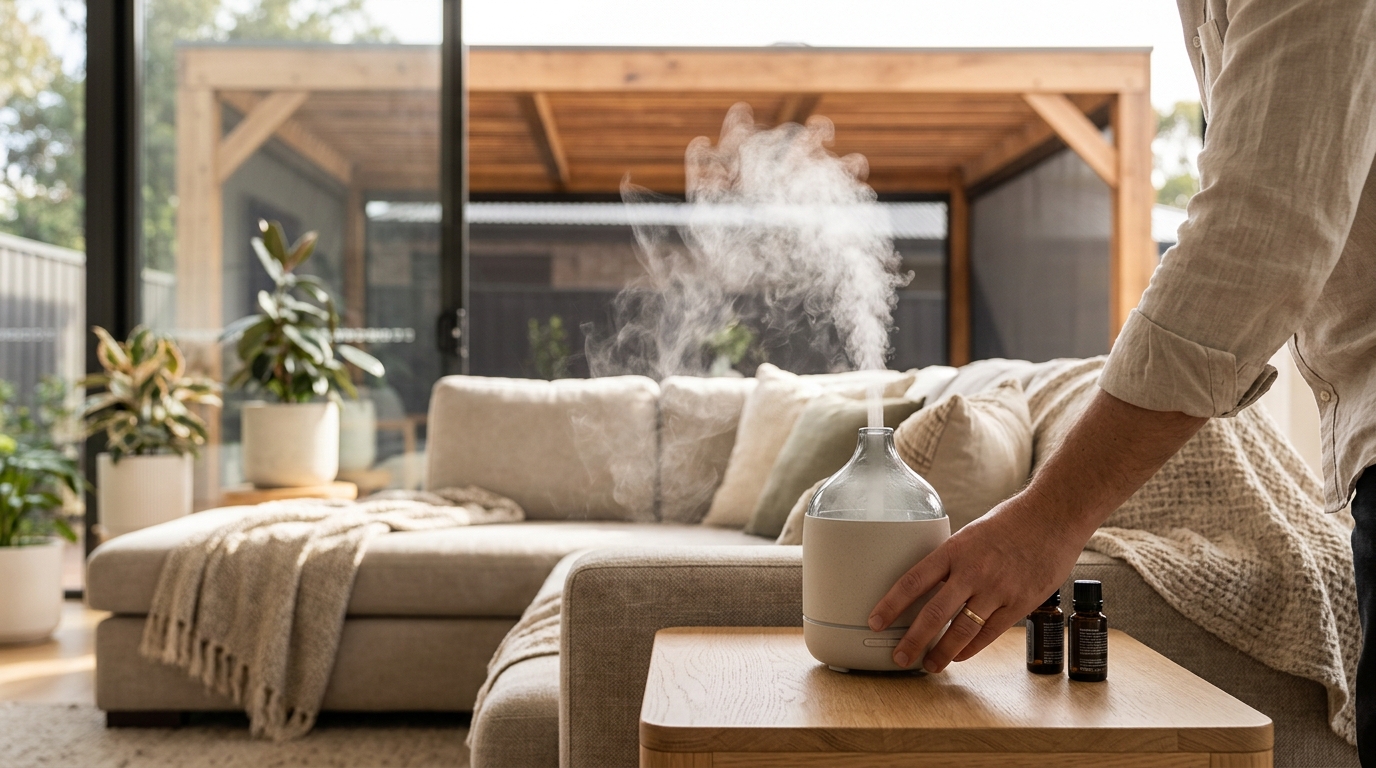
Aromatherapy has evolved from a niche wellness practice into a mainstream home improvement strategy for enhancing indoor air quality and mental well-being. According to the National Association for Holistic Aromatherapy, over 70% of households now incorporate essential oils into their daily routines for stress reduction and environmental freshness. This surge in popularity highlights the critical role that proper diffusion technology plays in delivering therapeutic benefits safely and effectively. Understanding the mechanics behind these devices is essential for homeowners who want to maximize the value of their indoor environment.
What Is a Diffuser?
A diffuser is a device designed to disperse essential oils or other aromatic compounds into the air. The primary mechanism involves breaking down liquid oils into microscopic particles that can be inhaled or absorbed by the skin. This process allows the volatile organic compounds within the oils to interact with the olfactory system, triggering neurological responses that can influence mood and physiology.
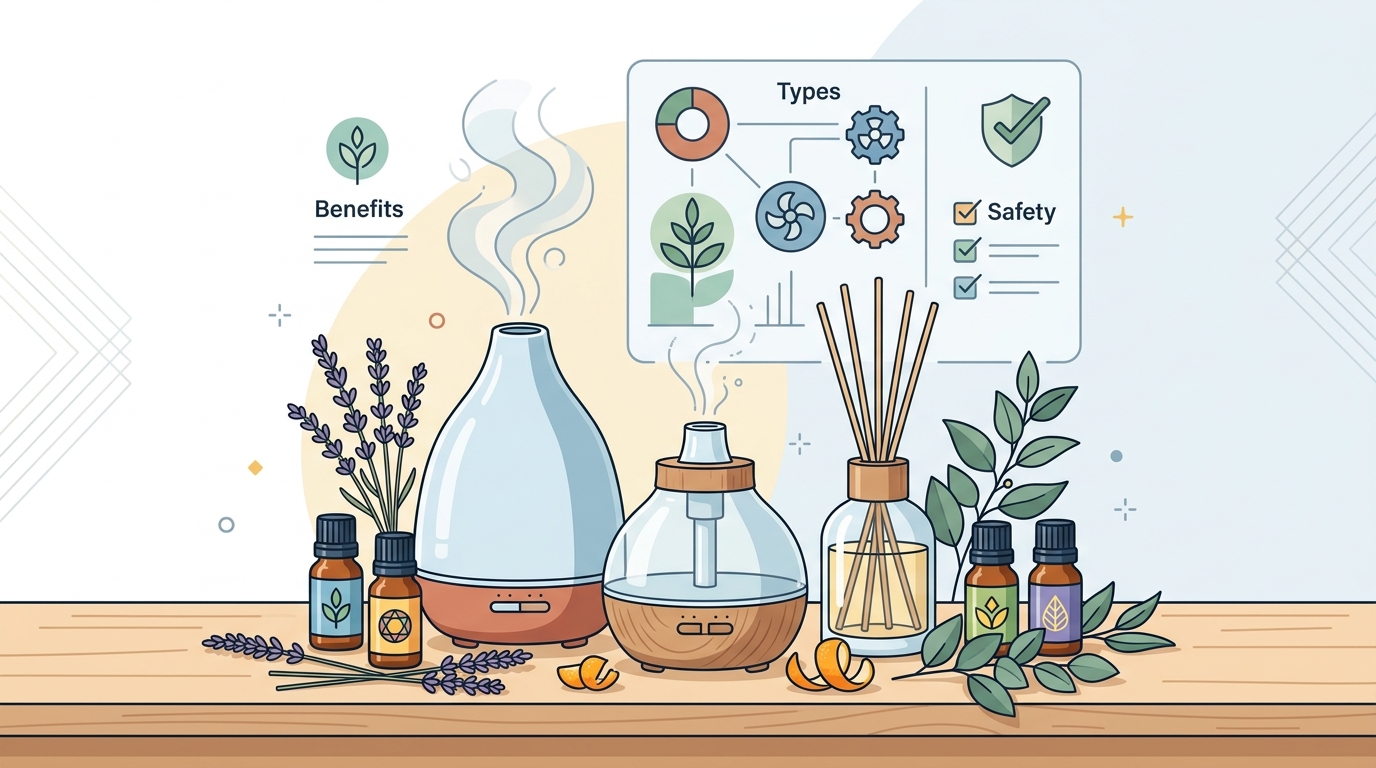
There are several distinct categories of diffusers available on the market. Each type utilizes different physical principles to achieve dispersion. Ultrasonic models use water and vibration. Nebulizing models use air pressure to create a pure mist. Heat-based models use thermal energy to evaporate oils. Understanding these differences is crucial for selecting the right tool for your specific home environment.
Types of Diffusers Compared
Selecting the correct diffuser depends on your goals, room size, and sensitivity to humidity. Below is a detailed comparison of the most common technologies used in modern homes.
| Diffuser Type | Mechanism | Best For | Pros | Cons |
|---|---|---|---|---|
| Ultrasonic | Vibrating plate creates mist | Bedrooms, small offices | Quiet operation, adds humidity | Requires distilled water |
| Nebulizing | Air pressure atomizes oil | Large open spaces | Purest scent, no water needed | Higher oil consumption |
| Heat/Evaporative | Warmth or fan evaporation | d>Quick scentingSimple, inexpensive | May alter oil chemistry | |
| Humidifier Combo | Ultrasonic mist + tank | Dry climates, winter months | Dual function, cost-effective | Larger footprint |
Health and Wellness Benefits
The integration of diffusers into daily life offers tangible benefits that extend beyond simple fragrance. Research indicates that specific essential oils can influence cortisol levels and heart rate variability. For instance, lavender is widely recognized for its calming properties, while citrus oils like lemon and orange are associated with increased alertness and energy.
One of the most significant advantages of using a diffuser is the improvement of indoor air quality. Unlike synthetic air fresheners that often contain phthalates and other harmful chemicals, high-quality essential oils are natural plant extracts. When used correctly, they can help neutralize odors rather than masking them. This is particularly important for homes with pets or smokers, where persistent odors can linger in fabrics and drywall.
Furthermore, diffusers can support respiratory health. Eucalyptus and tea tree oils have natural antimicrobial properties. When dispersed into the air, they can help reduce the load of airborne pathogens. This is especially relevant in high-traffic areas of the home, such as entryways and living rooms. The American Lung Association notes that maintaining good indoor air quality is critical for reducing allergy symptoms and asthma triggers.
Integrating Diffusers with Home Improvement
Diffusers are not standalone gadgets. They are part of a broader home improvement strategy that includes ventilation, lighting, and structural design. At Acadiana Patios & Construction, we understand that the physical structure of your home impacts how air moves and how scents are distributed. For example, an open-concept patio cover or a screened enclosure can alter airflow dynamics, requiring different diffusion strategies than a sealed, air-conditioned room.
Consider the placement of your diffuser in relation to your home's architecture. In spaces with high ceilings, such as those found in many cypress patio covers, the scent may dissipate quickly. Using a nebulizing diffuser in these areas can ensure the aroma reaches the occupants. Conversely, in smaller, enclosed spaces like a sunroom, an ultrasonic diffuser with a timer is more appropriate to prevent overwhelming concentrations of oil.
Additionally, the materials used in your home improvement projects can affect diffuser performance. Porous materials like natural stone or unfinished wood can absorb oils, reducing the effectiveness of the diffuser. It is important to clean these surfaces regularly to maintain a fresh environment. Our team specializes in concrete slabs and coloring, which are non-porous and easy to clean, making them ideal surfaces for placing diffusers without risk of staining.
Safety and Maintenance Guidelines
Safety is the most critical aspect of using diffusers. Essential oils are highly concentrated and can be toxic if ingested or applied directly to the skin without dilution. Always keep diffusers out of reach of children and pets. Cats, in particular, are sensitive to certain oils like tea tree, peppermint, and eucalyptus. Consult with a veterinarian before introducing new scents to a home with felines.
Regular maintenance is also required to prevent mold and bacteria growth. Ultrasonic diffusers must be cleaned weekly with vinegar or specialized cleaning solutions. Neglecting this step can turn your diffuser into a source of airborne contaminants rather than a remedy. The buyer information provided by reputable manufacturers often includes detailed cleaning instructions that should be followed strictly.
Another safety consideration is the quality of the essential oils used. Look for oils that are 100% pure and therapeutic grade. Avoid products that list "fragrance oil" as an ingredient, as these are synthetic and may contain harmful chemicals. Investing in high-quality oils ensures that you are reaping the full benefits of aromatherapy without exposing your home to unnecessary toxins.
Key Takeaways
- Ultrasonic vs. Nebulizing: Ultrasonic diffusers add humidity and are quieter, while nebulizing diffusers provide a more potent scent without water.
- Air Quality: Essential oils can help neutralize odors and reduce airborne pathogens, improving overall indoor air quality.
- Home Structure Impact: The layout and materials of your home, such as decks and porches, affect how scents disperse and should influence diffuser placement.
- Pet Safety: Many essential oils are toxic to pets. Always verify safety before use in homes with animals.
- Maintenance: Regular cleaning of diffusers is essential to prevent mold and bacterial growth.
- Quality Matters: Use only 100% pure, therapeutic-grade essential oils for maximum benefit and safety.
- Professional Guidance: Consult with home improvement experts to integrate diffusers seamlessly into your architectural design.
Frequently Asked Questions
How long should I run my diffuser?
It is generally recommended to run a diffuser for 30 to 60 minutes at a time, followed by a break of at least an hour. This prevents olfactory fatigue and ensures that the air remains fresh without becoming overwhelming.
Can I use a diffuser in a room with pets?
Yes, but you must be cautious. Some essential oils are toxic to cats and dogs. Always research the safety of specific oils and consult with a veterinarian before use.
What is the difference between a humidifier and a diffuser?
A humidifier adds moisture to the air to combat dryness, while a diffuser disperses essential oils for aromatherapy. Some devices combine both functions, but they operate differently than standalone units.
How do I clean my diffuser?
Most ultrasonic diffusers can be cleaned by filling the tank with water and a small amount of white vinegar. Run it for a few minutes, then empty and rinse thoroughly. Wipe the exterior with a damp cloth.
Are essential oils safe for children?
Some essential oils are safe for children, but others are not. Young children have more sensitive respiratory systems, so it is best to use mild oils like lavender or chamomile and consult a pediatrician.
Can diffusers help with sleep?
Yes, certain essential oils like lavender, cedarwood, and ylang-ylang are known to promote relaxation and improve sleep quality. Using a diffuser in the bedroom before bed can help create a calming environment.
How often should I replace my essential oils?
Essential oils have a shelf life of 1 to 5 years depending on the type. Citrus oils tend to expire faster, while woody oils last longer. Store them in a cool, dark place to extend their longevity.
Contact Acadiana Patios for Your Home Improvement Needs
While diffusers enhance the sensory experience of your home, the structural integrity and design of your living spaces are equally important. At Acadiana Patios & Construction, we have been serving the Lafayette, Louisiana, and Acadiana areas since 1985. We specialize in creating outdoor living spaces that complement your indoor wellness routines.
Whether you need a sunroom for year-round enjoyment or a outdoor kitchen for entertaining, our team delivers top-notch products and services at fair prices. We approach each project with passion and professionalism, ensuring that your home improvement goals are met with excellence.
Contact us today for a free estimate. Let us help you create a home environment that is both beautiful and functional. Visit our contact page to schedule a consultation with our experts.