
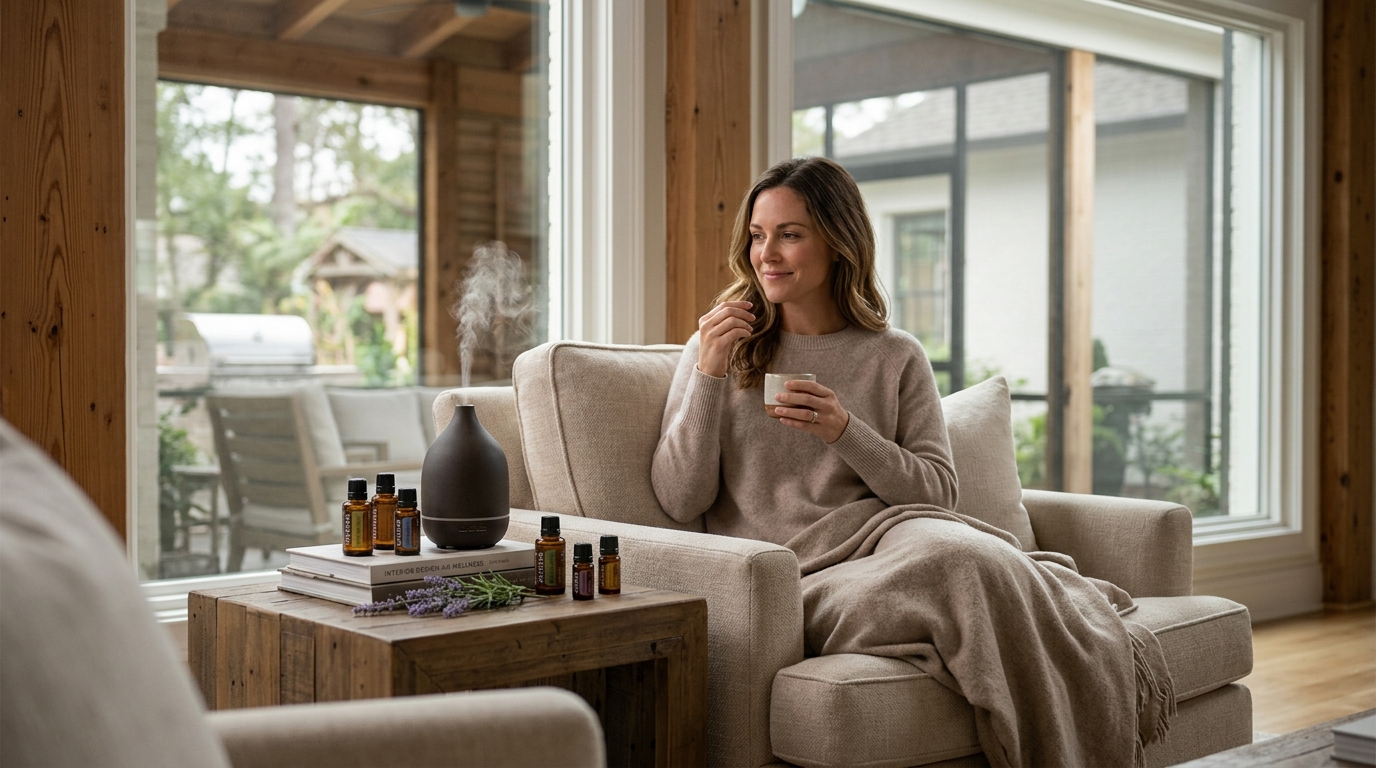
Creating a sanctuary in your home requires attention to both structural integrity and atmospheric quality. While many homeowners focus on physical renovations, the invisible layer of scent plays a critical role in perceived comfort and mental well-being. According to a 2023 study by the National Association for Holistic Aromatherapy, over 60 percent of adults use aromatherapy to manage stress and improve sleep quality. This statistic highlights a growing demand for natural, non-toxic alternatives to synthetic air fresheners. The process of choosing the right essential oils involves understanding their chemical profiles, safety parameters, and compatibility with your existing home infrastructure.
Understanding Oil Profiles and Benefits
Essential oils are concentrated hydrophobic liquids containing volatile aroma compounds from plants. Aromatherapy is the practice of using natural plant extracts to promote health and well-being. Selecting the correct oil begins with identifying your primary goal. Are you seeking to cleanse the air, repel insects, or induce relaxation?
Lavender is perhaps the most recognized oil for its calming properties. It contains linalool and linalyl acetate, compounds known for their sedative effects. This makes it ideal for bedrooms and bathrooms. Citrus oils, such as lemon and sweet orange, are rich in d-limonene. These compounds provide an uplifting, energizing scent that is perfect for kitchens and entryways. They also possess natural antimicrobial properties that can help neutralize odors.
For homeowners in humid climates like Louisiana, where mold and mildew are persistent concerns, tea tree oil is an essential addition. Tea tree oil is a potent antimicrobial agent derived from the Melaleuca alternifolia plant. Its ability to inhibit mold growth makes it a functional choice for bathrooms and basements. However, its medicinal scent is strong and may not suit every aesthetic preference. Blending tea tree with eucalyptus can soften the profile while maintaining its protective benefits.
Safety Protocols and Dilution
Before integrating essential oils into your home, you must understand the principles of safe usage. Essential oils are highly concentrated. Applying them directly to the skin or inhaling them undiluted can cause irritation or respiratory distress. Dilution is the process of mixing essential oils with a carrier substance to reduce their concentration. Common carriers include fractionated coconut oil, jojoba oil, or unscented lotion.
For diffusers, the rule of thumb is to use three to five drops of oil per 100 milliliters of water. Over-diffusing can lead to "aroma fatigue," where the nose becomes desensitized to the scent. This reduces the therapeutic benefits and can cause headaches. It is also crucial to consider the presence of pets. Cats and dogs metabolize certain compounds differently than humans. Oils containing phenols, such as oregano and thyme, can be toxic to pets if ingested or inhaled in high concentrations.
Always store your oils in dark glass bottles away from direct sunlight. Heat and light degrade the chemical structure of the oils, reducing their efficacy. Proper storage ensures that the therapeutic value remains intact for up to three years. This longevity makes essential oils a cost-effective investment for long-term home wellness.
Choosing the Right Dispersion Method
The method you choose to disperse the oil determines how the scent interacts with your home environment. There are three primary methods: ultrasonic diffusers, heat-based diffusers, and passive reed diffusers.
Ultrasonic diffusers use water and electricity to create a fine mist. This method is the most popular because it adds humidity to the air, which is beneficial in dry climates. It also preserves the chemical integrity of the oil because it does not use heat. Heat-based diffusers, such as ceramic burners, use a flame or electric element to warm the oil. While this produces a strong scent throw, the heat can alter the molecular structure of the oil, potentially reducing its therapeutic value.
Passive reed diffusers rely on capillary action to draw oil up through reeds and into the air. This method is silent and requires no electricity. It is ideal for small spaces like closets or offices. However, the scent throw is much weaker than that of an ultrasonic diffuser. You must replace the reeds every few months to maintain effectiveness.
Comparing Diffusion Technologies
Selecting the right technology depends on your specific needs and home layout. The table below outlines the key differences between common diffusion methods.
| Method | Best For | Scent Strength | Maintenance Level |
|---|---|---|---|
| Ultrasonic Diffuser | Large rooms, humidification | Medium to High | Low (Weekly cleaning) |
| Heat Diffuser | Small spaces, quick scent | High | Medium (Refilling oil) |
| Reed Diffuser | Entryways, bathrooms | Low to Medium | Low (Reed replacement) |
| Nebulizer | Therapeutic focus, no water | Very High | High (Filter cleaning) |
For homeowners who value both aesthetics and function, ultrasonic diffusers offer the best balance. They blend seamlessly into modern decor and provide consistent scent distribution. If you are looking to enhance your outdoor living spaces, consider how your patio covers and screened enclosures might affect air circulation. Patio covers can trap scents, making strong diffusion necessary for outdoor kitchens. Conversely, screened enclosures allow for better airflow, which may require a more potent oil blend to be effective.
Concrete coloring and sealing also play a role in home maintenance. Just as you seal concrete to protect it from stains, you must seal your essential oils to protect their potency. Concrete coloring processes often involve chemical compounds that can react with certain scents. Avoid diffusing strong citrus oils directly over freshly sealed concrete surfaces, as the acidity can potentially affect the finish over time.
Key Takeaways
- Essential oils are concentrated plant extracts that offer therapeutic benefits when used correctly.
- Lavender and citrus oils are the most versatile choices for general home use.
- Always dilute essential oils before skin application to prevent irritation.
- Ultrasonic diffusers are ideal for adding humidity and preserving oil integrity.
- Pets may be sensitive to certain oils, so research safety profiles before use.
- Proper storage in dark glass bottles extends the lifespan of your oils.
- Consider your home's architecture, such as cypress patio covers, when planning outdoor scent strategies.
Frequently Asked Questions
How long do essential oils last?
Most essential oils have a shelf life of one to three years. Citrus oils degrade faster, typically within six months to a year. Woody oils like sandalwood and patchouli can last up to ten years if stored correctly.
Can I use essential oils in my swimming pool enclosure?
It is not recommended to diffuse essential oils directly in or around swimming pool enclosures. The chemicals in the oils can react with pool water treatments, such as chlorine or bromine, creating harmful byproducts. Instead, use the oils in adjacent living areas like sunrooms or patios.
What is the best way to clean a diffuser?
Use a mixture of white vinegar and water to clean your diffuser. Fill it halfway with water and add a teaspoon of vinegar. Let it run for five minutes, then rinse thoroughly. This prevents mold buildup and ensures the next scent is pure.
Are essential oils safe for homes with children?
Many essential oils are safe for children, but the dosage must be reduced. Use half the standard amount and ensure the diffuser is placed out of reach. Avoid using peppermint or eucalyptus in rooms with infants under two years old, as these can cause respiratory irritation.
How do I choose oils for a home office?
For focus and concentration, rosemary and lemon are excellent choices. They stimulate cognitive function and alertness. Peppermint can also help reduce mental fatigue during long work sessions.
Can essential oils help with mold prevention?
Yes, oils like tea tree, lavender, and eucalyptus have natural antifungal properties. While they can help inhibit mold growth in the air, they are not a substitute for fixing water leaks or improving ventilation. For persistent mold issues, consult with a professional contractor.
What is the difference between fragrance oils and essential oils?
Fragrance oils are synthetic chemicals designed to mimic natural scents. They do not offer therapeutic benefits and may contain harmful phthalates. Essential oils are 100% natural extracts from plants. They provide both scent and health benefits.
Transform Your Home Environment
Creating a healthy home involves more than just choosing the right scents. It requires a holistic approach to construction, maintenance, and interior design. Whether you are installing new decks and porches or upgrading your sunrooms, the atmosphere you create inside is just as important as the structure itself.
Acadiana Patios & Construction has been serving the Lafayette, Louisiana area since 1985. We specialize in high-quality home improvement services that enhance both the beauty and functionality of your living space. From carports and garages to custom outdoor kitchens, we ensure every detail meets your standards.
Ready to elevate your home's comfort and value? Contact us today for a free estimate. Visit our contact page or call (337) 654-4337 to schedule your consultation.