
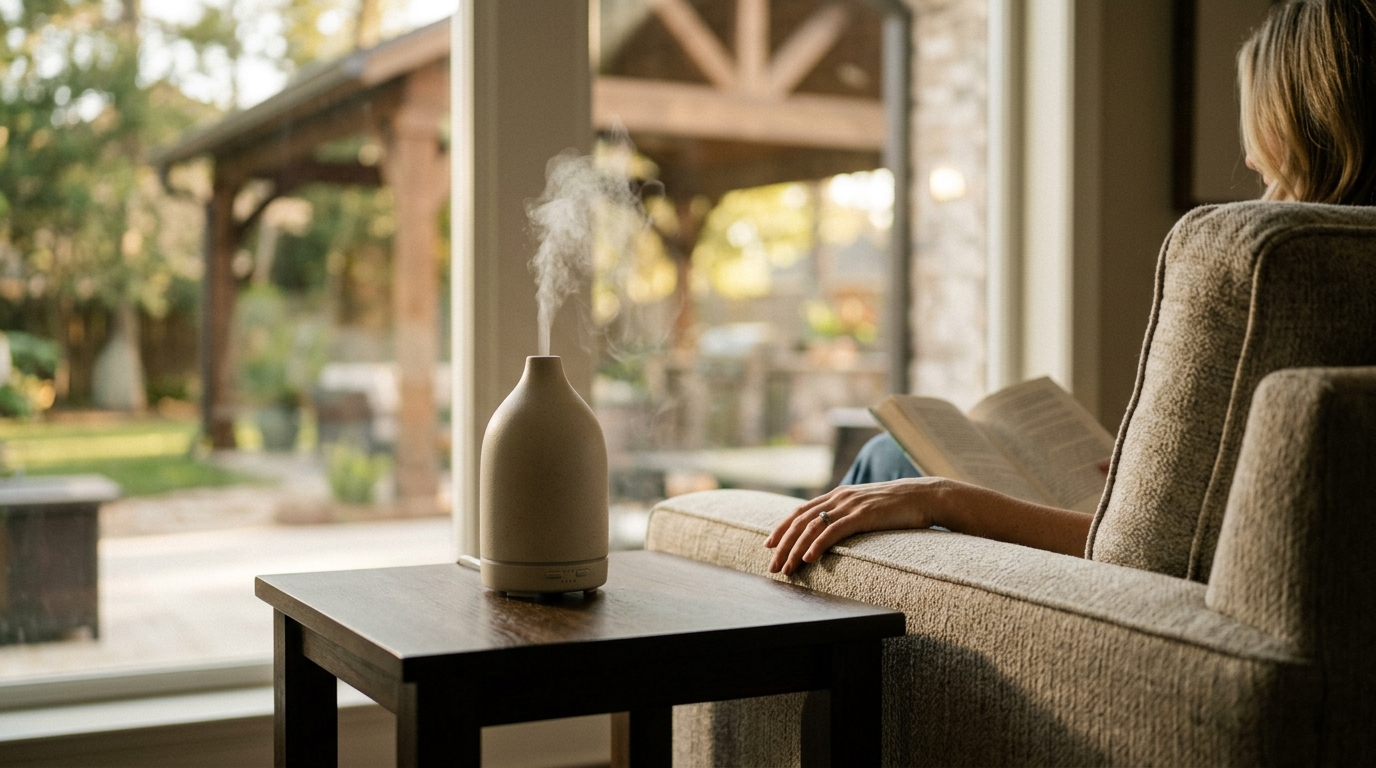
Aromatherapy has evolved from a niche wellness practice into a mainstream home improvement strategy for enhancing indoor air quality and psychological well-being. According to recent environmental health reports, the average person spends approximately 90 percent of their time indoors, making the quality of that air a critical factor in daily comfort and long-term health. Modern diffusers allow homeowners to actively manage their sensory environment, transforming standard living spaces into sanctuaries of calm and focus. This guide explores the functional benefits, technical types, and safety considerations of integrating diffusers into your Lafayette, Louisiana, home.
Understanding Diffuser Technologies
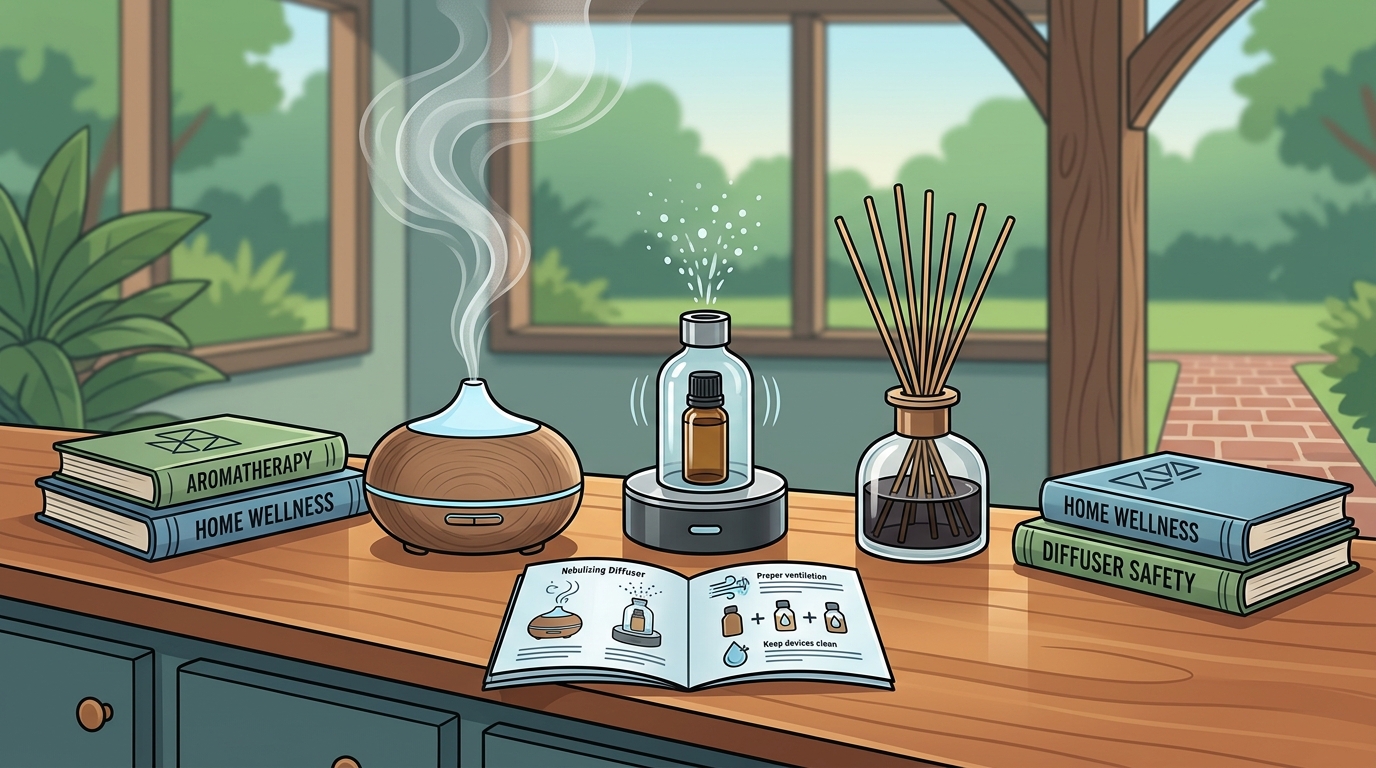
Selecting the right diffuser requires understanding the mechanical differences between available technologies. Each type offers distinct advantages regarding scent throw, humidity output, and material preservation.
Nebulizing Diffusers
A nebulizing diffuser is a device that uses a pump to break essential oils into microscopic particles without heat or water. This method preserves the therapeutic properties of the oil because no thermal degradation occurs. These units are ideal for large spaces where a strong scent throw is necessary. However, they consume essential oils at a faster rate than other methods.
Ultrasonic Diffusers
An ultrasonic diffuser is a humidifier that uses high-frequency vibrations to create a cool mist. This dual-functionality makes it particularly beneficial for residents in dry climates or during winter months. The mist carries the essential oil particles into the air, providing both aromatic and hydration benefits. This technology is generally quieter than nebulizers, making it suitable for bedrooms and offices.
Evaporative Diffusers
An evaporative diffuser is a passive system that uses a fan to blow air through a filter saturated with essential oil. This method naturally separates lighter molecular compounds from heavier ones, altering the scent profile slightly. These units are highly energy-efficient and require minimal maintenance. They are often preferred for their simplicity and lack of electronic components.
Air Quality and Humidity Benefits
Beyond the aromatic experience, diffusers contribute to tangible improvements in indoor environmental quality. Proper air management is essential for maintaining a healthy home ecosystem.
Humidification and Respiratory Health
Ultrasonic models add moisture to the air, which can alleviate dry skin, irritated sinuses, and static electricity. According to the Environmental Protection Agency, maintaining indoor humidity between 30 and 50 percent reduces the survival rate of many airborne viruses. By keeping the air properly hydrated, diffusers support respiratory comfort and reduce the likelihood of throat irritation.
Natural Air Freshening
Diffusers provide a chemical-free alternative to synthetic air fresheners. Traditional plug-in sprays often contain phthalates and volatile organic compounds (VOCs) that can exacerbate allergies. Essential oils, when diffused correctly, neutralize odors rather than masking them. This approach aligns with the principles of sustainable home improvement, a core value at Acadiana Patios & Construction.
Psychological and Emotional Impact
The connection between scent and the brain is direct and powerful. The olfactory system is linked to the limbic system, which controls emotion and memory. Leveraging this biological pathway can significantly enhance daily living.
Stress Reduction and Relaxation
Certain essential oils, such as lavender and chamomile, have been shown to lower cortisol levels. A study published in the Journal of Alternative and Complementary Medicine indicates that aromatherapy can reduce anxiety in clinical settings. In a home environment, this translates to better sleep quality and a more relaxed atmosphere after a long day.
Focus and Productivity
Citrus oils like lemon and bergamot, along with woody scents like cedarwood, are known to enhance mental clarity. For homeowners working from home, using a diffuser in the office space can create a psychological boundary between work and rest. This sensory cue helps the brain transition into a focused state, improving overall productivity.
Safety and Maintenance Protocols
While diffusers are generally safe, proper usage is critical to prevent damage to your home and ensure personal safety. Neglecting maintenance can lead to mold growth or electrical hazards.
Placement and Ventilation
Diffusers should be placed on a stable, flat surface away from direct sunlight and heat sources. It is important to ensure adequate ventilation in the room to prevent the buildup of excessive humidity or oil concentration. For homes with sunrooms or enclosed patios, monitor humidity levels closely to prevent condensation on windows and walls.
Cleaning and Upkeep
Regular cleaning prevents the accumulation of essential oil residues, which can become sticky and attract dust. Use a mixture of water and white vinegar to clean the reservoir weekly. This practice extends the lifespan of the device and ensures that the scent remains pure and unadulterated. For more information on maintaining your home’s interior, visit our blog.
Pet Safety
Some essential oils are toxic to cats and dogs. Oils containing phenols, such as tea tree and peppermint, can cause severe health issues in pets. Always research the safety profile of any oil before use in a household with animals. Consult with a veterinarian if you are unsure about specific blends.
Diffuser Comparison Matrix
The following table summarizes the key differences between the primary diffuser types to assist in your decision-making process.
| Diffuser Type | Humidity Output | Scent Strength | Oil Consumption | Noise Level |
|---|---|---|---|---|
| Nebulizing | None | Very Strong | High | Quiet |
| Ultrasonic | High | Moderate | Low | Very Quiet |
| Evaporative | Low | Moderate | Medium | Moderate |
| Heat | None | Weak | Low | None |
Key Takeaways
- Diffusers improve indoor air quality by adding humidity and neutralizing odors without synthetic chemicals.
- Ultrasonic diffusers serve a dual purpose as humidifiers, which is beneficial for respiratory health.
- Aromatherapy can significantly reduce stress and improve focus by interacting with the limbic system.
- Nebulizing diffusers preserve the full therapeutic profile of essential oils by using no heat or water.
- Regular cleaning with vinegar is essential to prevent mold and maintain scent purity.
- Always verify the safety of essential oils for pets before use in the home.
- Proper placement ensures optimal scent distribution and prevents damage to furniture or walls.
Frequently Asked Questions
How long should I run a diffuser?
It is generally recommended to run a diffuser for 30 to 60 minutes at a time, followed by a break of equal length. This prevents olfactory fatigue, where the nose becomes desensitized to the scent, and maintains a healthy balance of humidity in the room.
Can I use any essential oil in any diffuser?
Most diffusers accept pure essential oils. However, avoid using synthetic fragrance oils in ultrasonic diffusers, as they can clog the mechanism and leave a sticky residue. Always check the manufacturer’s guidelines for specific oil recommendations.
Do diffusers help with allergies?
Diffusers can help manage allergy symptoms by adding moisture to the air, which soothes irritated nasal passages. Certain oils like eucalyptus and tea tree have natural antimicrobial properties. However, diffusers do not remove allergens like pollen or dust from the air; a HEPA air purifier is more effective for that purpose.
Is it safe to leave a diffuser on overnight?
While many ultrasonic diffusers have auto-shutoff features, it is often safer to use a timer. Leaving a diffuser on all night can lead to over-humidification, which may promote mold growth. Additionally, continuous exposure to strong scents may disrupt sleep for some individuals.
What is the best room for a diffuser?
The bedroom and living room are the most common locations. The bedroom benefits from the relaxation properties of oils like lavender, while the living room benefits from the social and aromatic enhancement of citrus or woody scents. Ensure the room is well-ventilated.
How do I clean my diffuser?
Fill the reservoir with water and a tablespoon of white vinegar. Let it sit for five minutes, then run the diffuser for a few minutes. Empty the mixture and wipe the inside with a soft cloth. Repeat this process monthly to prevent buildup.
Can diffusers damage furniture?
Essential oils can damage certain finishes, such as varnished wood or plastic. Always place the diffuser on a coaster or a protective mat to prevent condensation rings or oil spills from harming your furniture surfaces.
Enhance Your Home’s Comfort and Value
While diffusers offer significant benefits for daily living, true home comfort also depends on the structural integrity and design of your living spaces. Whether you are looking to install a patio cover to extend your indoor-outdoor living season or need a concrete slab for a new outdoor kitchen, professional installation is key. Acadiana Patios & Construction has been serving Lafayette and Acadiana since 1985, delivering excellence in home improvement. Contact us today for a free estimate and discover how we can transform your home.