Hiring a Home Improvement Contractor in Louisiana: 7 Critical Vetting Steps
Homeowners in Louisiana face unique construction challenges due to the state's humid subtropical climate and frequent severe weather events. According to recent industry data, over 60% of home renovation disputes stem from unclear contracts or unverified contractor credentials. This statistic highlights why due diligence is not just a precaution but a necessity for protecting your property investment. Whether you are planning a simple patio cover installation or a complex sunroom addition, the stakes are high. The following guide outlines the essential verification steps every Louisiana homeowner must take before signing a contract. (About Us 8211 Acadiana)
Understanding Louisiana Licensing Requirements
The first step in hiring a reliable contractor is verifying their legal standing. In Louisiana, the definition of a contractor varies by trade, but general home improvement work often falls under specific regulatory frameworks. A licensed contractor is legally bound to adhere to state building codes and ethical standards. This oversight provides a layer of consumer protection that unlicensed workers cannot offer. (Acadiana Patios amp Construction)
Homeowners should request the contractor's license number and verify it through the Louisiana State Licensing Board for Contractors. This database allows you to check for any past violations, suspended licenses, or outstanding complaints. Ignoring this step can leave you without legal recourse if the work is substandard or if the contractor abandons the project mid-stream. (Blogs 8211 Acadiana Patios)
Furthermore, a licensed professional is more likely to carry the necessary permits for your project. Permits ensure that your home improvement meets safety codes, which is crucial for insurance claims and future property sales. Always ask your potential contractor if they will pull the required permits or if you need to handle that process yourself.
Verifying Insurance and Bonding Status
Insurance is not optional; it is a critical shield for your financial security. When hiring a contractor, you must verify two specific types of coverage: General Liability Insurance and Workers' Compensation Insurance. General liability protects your property from damage caused during the work, while workers' compensation covers medical costs if a worker is injured on your property.
If a contractor lacks workers' compensation insurance and an employee gets hurt, you could be held liable for their medical bills and lost wages. This scenario can turn a manageable renovation budget into a financial crisis. Always request a Certificate of Insurance (COI) directly from the contractor's insurance provider. Do not rely on a photocopy of a policy document provided by the contractor.
Bonding is another layer of protection. A surety bond guarantees that the contractor will complete the job as agreed. If the contractor fails to finish the work or pays their subcontractors, the bond can cover the costs to hire someone else to complete the project. This is particularly important for large-scale projects like garage construction or concrete slab installation.
Evaluating Material Quality and Warranties
The longevity of your home improvement project depends heavily on the materials used. Louisiana's high humidity and temperature fluctuations can degrade inferior materials quickly. A reputable contractor will use high-grade, weather-resistant materials designed to withstand these specific environmental stresses. For example, cypress wood is often preferred for patio covers and pergolas due to its natural resistance to rot and insects.
Ask your contractor to specify the brands and grades of materials they plan to use. Premium materials often come with extended warranties, which can save you money on future repairs. Look for contractors who partner with leading manufacturers, as these partnerships often indicate a commitment to quality and access to the latest product innovations.
Additionally, inquire about the warranty on the workmanship itself. A confident contractor will stand behind their labor with a solid warranty. This warranty should clearly state what is covered, the duration of the coverage, and the process for making a claim. A clear warranty demonstrates that the contractor expects their work to last.
Assessing Local Climate Expertise
Local experience is invaluable in Louisiana. A contractor who has worked in the region for years understands the specific challenges posed by the local climate. This includes dealing with heavy rainfall, high humidity, and the potential for severe storms. Local experts know which building techniques and materials perform best in these conditions.
For instance, proper drainage and ventilation are critical in preventing mold and structural damage in Louisiana homes. A contractor with local expertise will design your home addition or renovation to maximize airflow and water runoff. They will also be familiar with local zoning laws and historical district regulations, which can impact your project scope and timeline.
Furthermore, local contractors often have established relationships with suppliers and subcontractors. This network can lead to faster project completion and better pricing on materials. They are also more likely to be available for future maintenance or repairs, providing long-term value to your home improvement investment.
Reviewing Contract Details and Payment Terms
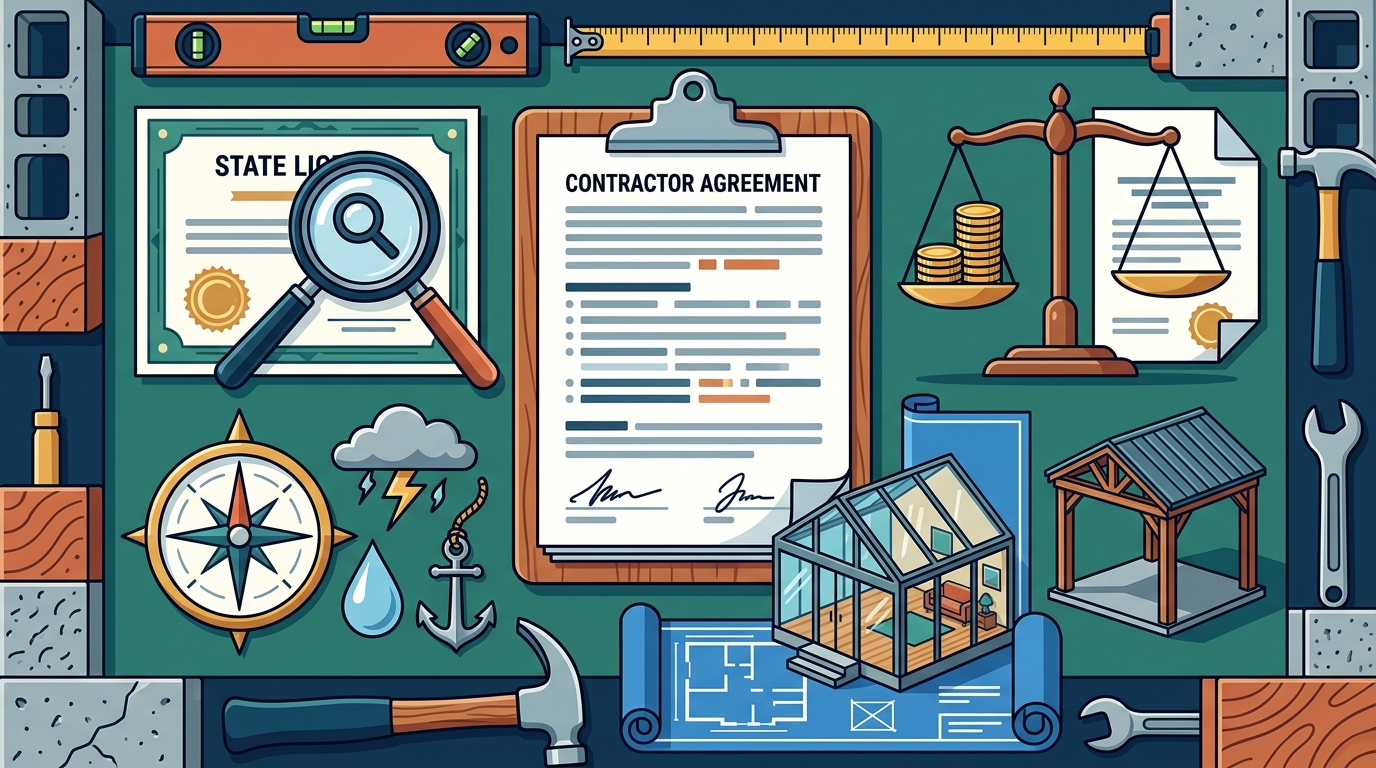
A detailed, written contract is the foundation of a successful project. It should include a clear scope of work, a timeline for completion, and a breakdown of costs. Vague contracts are a red flag and often lead to disputes and unexpected costs. Ensure that the contract specifies the exact materials, colors, and finishes to be used.
Payment terms should also be clearly defined. Be wary of contractors who demand large upfront payments. A standard payment schedule might include a deposit for materials, progress payments at key milestones, and a final payment upon completion and inspection. This structure protects your cash flow and ensures the contractor remains motivated to finish the job.
Include a clause for change orders. Any changes to the original scope of work should be documented in writing, with an agreed-upon cost and timeline adjustment. This prevents scope creep and ensures that both parties are aligned on the final project details. Always read the contract thoroughly before signing.
Checking Reputation and Industry Affiliations
Reputation is a strong indicator of reliability. Check online reviews on platforms like Google, Yelp, and Houzz. Look for patterns in the feedback, such as consistent praise for communication or recurring complaints about delays. While individual negative reviews can happen, a pattern of issues is a warning sign.
Industry affiliations also signal professionalism. Membership in organizations like the Better Business Bureau (BBB), the National Association of Home Builders (NAHB), or local home builders associations demonstrates a commitment to ethical standards and continuous education. These organizations often require members to adhere to a code of conduct.
Ask your contractor for references from recent clients. Contact these references to ask about their experience. Did the contractor stay on budget? Were they respectful of your property? How did they handle any issues that arose? These insights can provide a clearer picture of what to expect.
Final Consultation Checklist
Before making your final decision, use this checklist to ensure you have covered all bases:
- License Verification: Confirm the contractor's license is active and in good standing with the Louisiana State Licensing Board.
- Insurance Proof: Obtain and verify a current Certificate of Insurance for liability and workers' compensation.
- Material Specs: Review the specific brands and grades of materials to be used.
- Warranty Details: Understand the coverage for both materials and workmanship.
- Contract Clarity: Ensure the contract includes a detailed scope, timeline, and payment schedule.
- References: Contact at least three recent client references.
- Permits: Confirm who is responsible for pulling necessary permits.
Key Takeaways
- Always verify a contractor's license through the Louisiana State Licensing Board for Contractors.
- Require a Certificate of Insurance for both liability and workers' compensation.
- Choose contractors who use high-quality, climate-appropriate materials like cypress for outdoor structures.
- Ensure the contractor is a member of reputable industry associations like the NAHB or BBB.
- Insist on a detailed written contract with clear payment terms and change order procedures.
- Check for local expertise to ensure the project withstands Louisiana's specific climate challenges.
- Request references from recent clients to gauge reliability and workmanship quality.
Frequently Asked Questions
Do I need to pull permits for my home improvement project in Louisiana?
Most significant home improvement projects, such as structural additions or electrical work, require permits. Your contractor should typically handle this process, but it is your responsibility to ensure permits are obtained before work begins.
What is the difference between liability insurance and workers' compensation?
Liability insurance covers damage to your property caused by the contractor. Workers' compensation covers medical costs if a worker is injured on your property. Both are essential for your financial protection.
How can I verify a contractor's license in Louisiana?
You can verify a contractor's license by visiting the Louisiana State Licensing Board for Contractors website and using their online search tool. Enter the contractor's name or license number to view their status and history.
Why is local experience important for contractors in Louisiana?
Local contractors understand the specific climate challenges, such as humidity and storm risks, and know which materials and techniques best withstand these conditions. They are also familiar with local building codes and zoning laws.
What should I look for in a contractor's warranty?
Look for a warranty that covers both materials and workmanship. Ensure the warranty is in writing, clearly states the duration of coverage, and outlines the process for making a claim.
Is it safe to pay a large upfront deposit?
It is generally not safe to pay a large upfront deposit. A standard deposit covers initial material costs, but the majority of payments should be tied to project milestones. Avoid contractors who demand full payment before completion.
How do I check a contractor's reputation?
Check online reviews on platforms like Google and Yelp, verify their standing with the Better Business Bureau, and ask for references from recent clients. Look for consistent patterns in feedback regarding reliability and quality.
Ready to Start Your Project?
Choosing the right contractor is the most critical step in ensuring your home improvement project is a success. By following these vetting steps, you can protect your investment and enjoy a stress-free renovation experience. Acadiana Patios & Construction has been serving Lafayette and the surrounding Acadiana area since 1985. We are committed to delivering top-notch products and services with a focus on quality and customer satisfaction.
Contact us today for a free estimate and discover why we are a trusted choice for home improvement in Louisiana. Visit our Contact Page to get started.