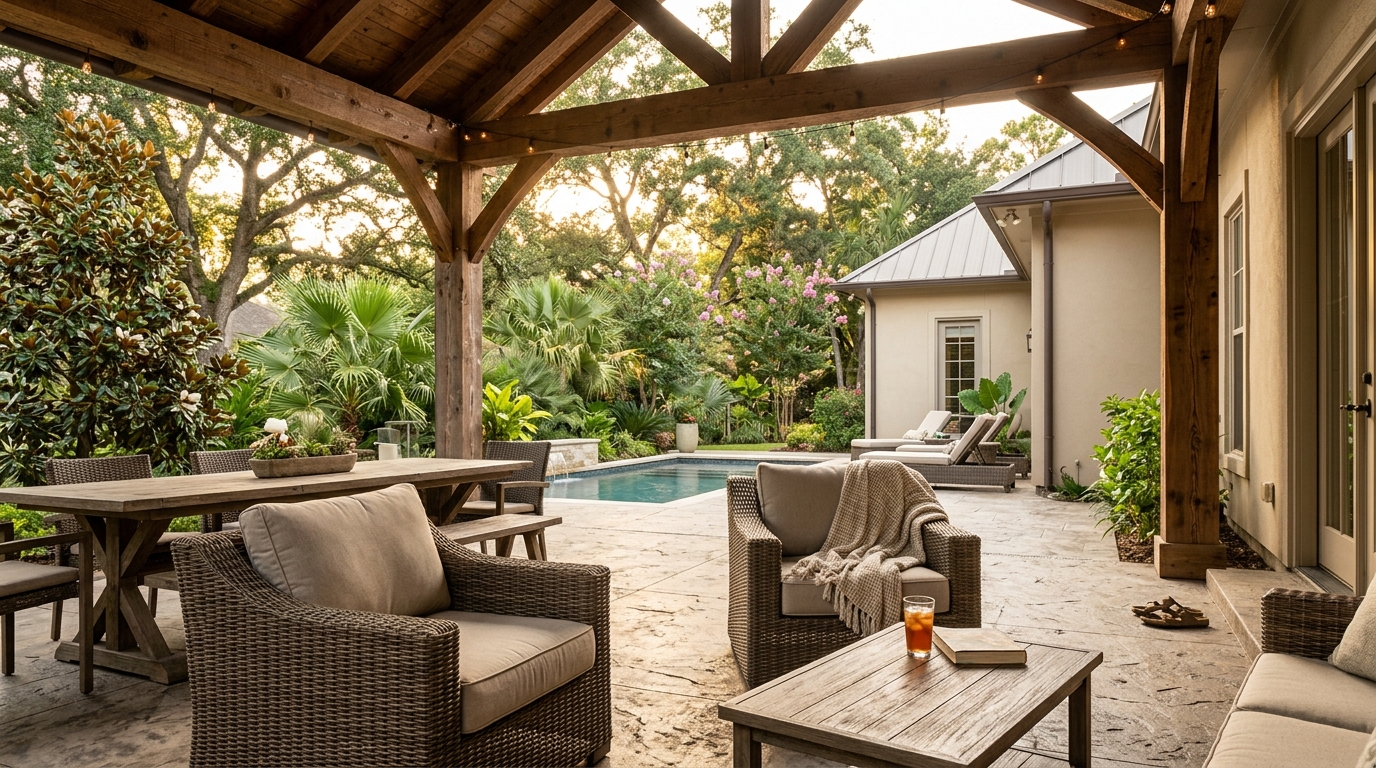
Homeowners across the Pelican State are increasingly transforming their backyards into functional extensions of their living rooms. According to recent industry data, over 60% of homeowners in the Southeast prioritize outdoor living improvements to increase property value and quality of life. This shift is driven by the desire to escape the intense summer heat while maximizing the mild winter months. Acadiana Patios specializes in designing durable, aesthetically pleasing patios that withstand the unique humidity and soil conditions of Louisiana. This guide explores how to create a patio that is both beautiful and built to last in this challenging environment.
Understanding Louisiana's Climate Challenges
Designing a patio in Louisiana is not a one-size-fits-all endeavor. The region experiences high humidity, heavy rainfall, and periodic flooding. These factors significantly impact material choice and structural integrity. A patio must be able to drain water effectively to prevent pooling and erosion. Additionally, the soil in many parts of Louisiana is clay-heavy, which expands and contracts with moisture changes. This movement can cause cracking if the foundation is not properly prepared.
Acadiana Patios understands these local nuances. We design foundations that account for soil movement and ensure proper grading away from the home. This proactive approach prevents water damage to the home's foundation and ensures the patio remains level for years. Ignoring these climate-specific factors can lead to costly repairs and a shortened lifespan for the outdoor structure.
Choosing the Right Materials
The choice of materials is the most critical decision in patio design. Each material offers different benefits regarding durability, aesthetics, and cost. In Louisiana, resistance to moisture and UV radiation is paramount.
Concrete and Stamped Concrete
Concrete is a popular choice for its versatility and durability. Stamped concrete allows homeowners to mimic the look of stone, brick, or wood at a lower cost. It is highly resistant to cracking when installed correctly with proper reinforcement. Acadiana Patios uses high-quality concrete mixes designed to withstand freeze-thaw cycles, even though freezing is rare in southern Louisiana. The finish can be customized to match the home's exterior, creating a cohesive look.
Natural Stone
Natural stone offers unmatched beauty and longevity. Materials like limestone, granite, and slate are excellent choices for Louisiana. Limestone, in particular, is abundant in the region and has been used in construction for centuries. It ages gracefully, developing a patina that adds character over time. However, natural stone requires sealing to prevent staining from spills and organic matter. The initial investment is higher, but the long-term value is significant.
Porcelain Pavers
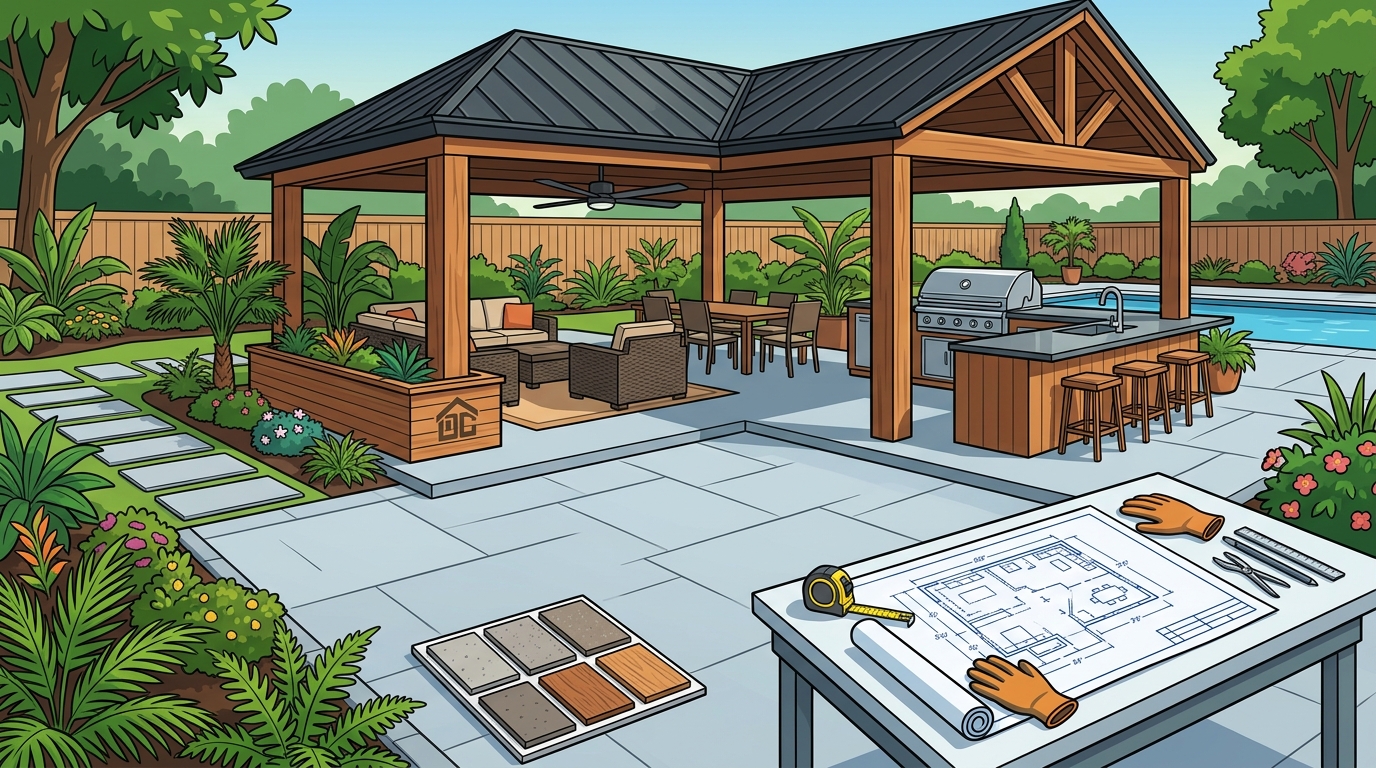
Porcelain pavers are a modern alternative to natural stone. They are non-porous, meaning they do not absorb water or stains. This makes them ideal for the humid Louisiana climate. Porcelain is also resistant to fading from UV exposure, ensuring the color remains vibrant for years. These pavers are lightweight yet strong, making them suitable for various sub-base configurations.
Key Design Principles for Outdoor Living
A well-designed patio serves multiple functions. It should be a place for dining, relaxation, and entertainment. The layout must accommodate these activities without feeling cramped or cluttered.
Flow and Accessibility
The connection between the indoor and outdoor spaces is crucial. Large sliding glass doors or French doors can blur the line between inside and outside. The patio should align with the main living areas of the home to create a seamless flow. Accessibility is also important. Wide pathways and level surfaces ensure that everyone, including those with mobility challenges, can enjoy the space.
Shade and Shelter
Given the intense sun in Louisiana, shade is a necessity. Pergolas, pavilions, and retractable awnings provide relief from the heat. These structures also extend the usability of the patio into the hotter parts of the day. Integrating shade structures into the initial design ensures they are structurally sound and aesthetically pleasing. Acadiana Patios can help you choose the right shade solution for your specific needs and budget.
Lighting and Ambiance
Lighting transforms the patio from a daytime space to a nighttime oasis. Strategic placement of lights can highlight architectural features, pathways, and landscaping. LED strip lights under pergolas or along steps add a modern touch. Warm-toned lights create a welcoming atmosphere for evening gatherings. Proper lighting also enhances safety by illuminating potential tripping hazards.
The Construction Process
Building a patio involves several steps, from planning to final cleanup. Each step is critical to the success of the project.
Planning and Permits
The first step is detailed planning. This includes determining the size, shape, and materials. It also involves checking local building codes and obtaining necessary permits. In Louisiana, permits are often required for structural changes and electrical work. Acadiana Patios handles the permit process, ensuring compliance with all local regulations.
Site Preparation
Site preparation is the foundation of a durable patio. This involves clearing the area, grading the soil, and installing a stable base. A proper base typically consists of compacted gravel and sand. This layer ensures proper drainage and prevents settling. In areas with poor soil conditions, additional reinforcement may be necessary.
Installation
The installation phase varies depending on the material chosen. For concrete, this includes forming, pouring, and finishing. For stone or pavers, it involves laying the base and carefully placing each unit. Precision is key to achieving a professional look. Acadiana Patios uses experienced craftsmen who pay attention to every detail.
Finishing Touches
Once the main structure is complete, finishing touches are added. This includes sealing the surface, installing lighting, and adding landscaping. Sealing protects the material from stains and moisture. Landscaping helps integrate the patio into the surrounding yard, creating a cohesive outdoor environment.
Maintenance and Longevity
Regular maintenance is essential for keeping your patio in top condition. The frequency and type of maintenance depend on the material used.
Concrete Maintenance
Concrete patios should be sealed every few years to protect against stains and moisture. Regular cleaning with a mild detergent and water helps remove dirt and debris. Inspect the surface periodically for cracks and repair them promptly to prevent further damage.
Natural Stone Maintenance
Natural stone requires regular sealing to prevent staining. Clean the surface with a stone-specific cleaner and a soft brush. Avoid using acidic cleaners, which can damage the stone. Inspect the grout lines for wear and repair as needed.
Porcelain Maintenance
Porcelain pavers are low maintenance. They require only occasional cleaning with water and mild soap. The non-porous surface resists mold and mildew, making it ideal for humid climates. Inspect the joints between pavers for any shifting and refill with sand if necessary.
Key Takeaways
- Louisiana's climate demands materials that resist humidity, heat, and soil movement.
- Proper drainage and foundation preparation are critical to prevent structural damage.
- Stamped concrete offers a cost-effective alternative to natural stone with high durability.
- Natural stone provides timeless beauty but requires regular sealing and maintenance.
- Porcelain pavers are non-porous and resistant to UV fading, ideal for low maintenance.
- Integrating shade structures and lighting extends the usability of your patio.
- Acadiana Patios handles permits and ensures compliance with local building codes.
Frequently Asked Questions
How long does it take to build a patio in Louisiana?
The timeline depends on the size and complexity of the project. A standard concrete patio typically takes one to two weeks. Natural stone installations may take longer due to the precision required. Weather conditions can also impact the schedule.
Do I need a permit for a patio in Louisiana?
Yes, most structural patio projects require permits. Acadiana Patios manages the permit process to ensure your project complies with local regulations. This includes electrical and plumbing permits if applicable.
What is the best material for a Louisiana patio?
There is no single best material. Concrete is durable and cost-effective. Natural stone offers beauty and longevity. Porcelain pavers provide low maintenance. The best choice depends on your budget, aesthetic preferences, and maintenance willingness.
How do I prevent my patio from cracking?
Proper installation is key. This includes a stable base, correct reinforcement, and appropriate expansion joints. Acadiana Patios uses industry best practices to minimize the risk of cracking.
Can I add an outdoor kitchen to my patio?
Yes, outdoor kitchens are a popular addition. They require careful planning for gas, water, and electrical connections. Acadiana Patios can integrate these elements seamlessly into your patio design.
How often should I seal my patio?
Concrete and natural stone patios should be sealed every two to three years. Porcelain pavers generally do not require sealing. Regular inspections will help determine when sealing is needed.
What is the cost of a patio in Louisiana?
Costs vary widely based on materials and size. Concrete is generally more affordable than natural stone. Porcelain pavers fall in the middle. Acadiana Patios provides detailed estimates to help you plan your budget.
Start Your Project
Ready to transform your backyard into a stunning outdoor living space? Contact Acadiana Patios today for a free consultation. Our team of experts is ready to help you design and build the patio of your dreams. Visit our services page to learn more about our offerings. Explore our portfolio to see examples of our work. Check out our about us page to learn more about our company history. Schedule your demo or estimate now.