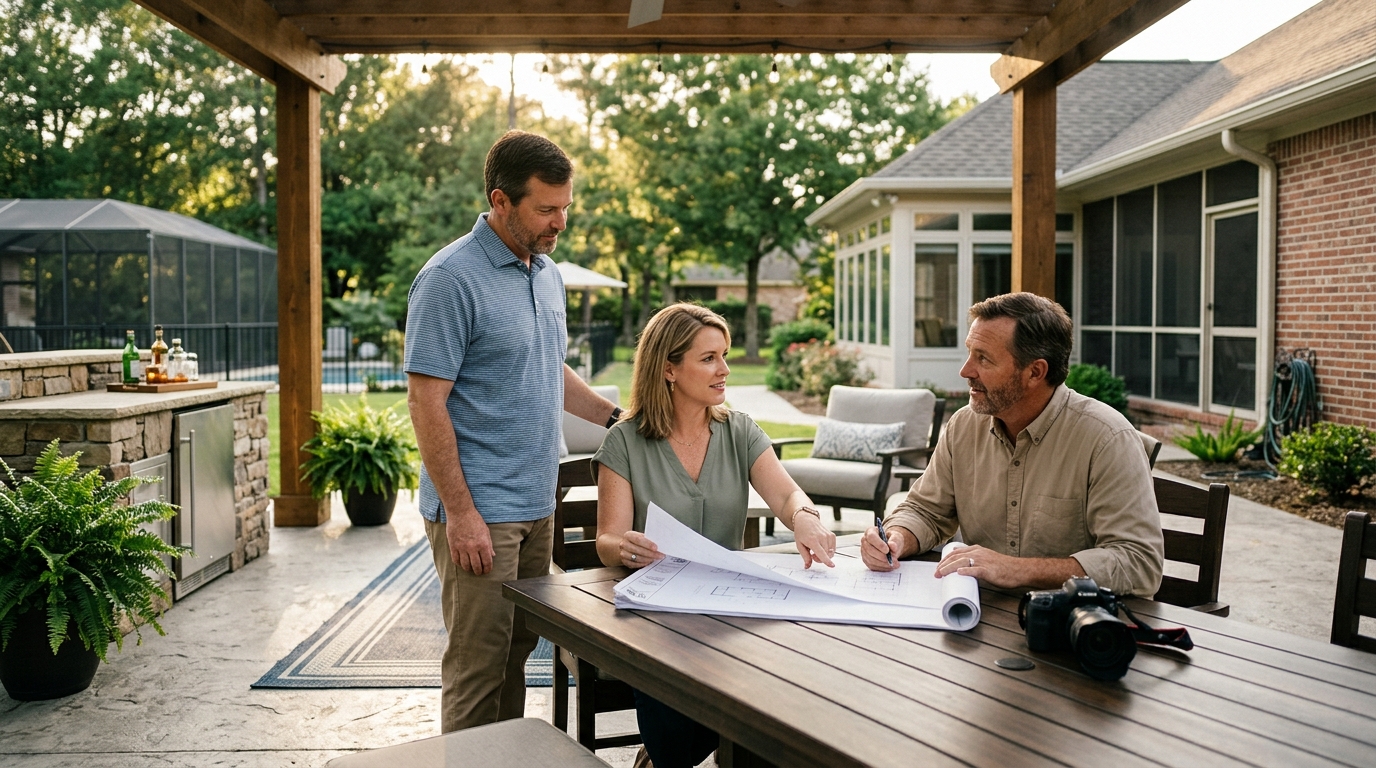
Home improvement projects represent a significant financial and emotional investment for homeowners. According to recent industry data, the average cost of major home renovations has increased by over 20% in the last three years, making contractor selection more critical than ever. Choosing the wrong partner can lead to budget overruns, structural issues, and prolonged timelines. This guide outlines the essential criteria for vetting contractors, ensuring your project is handled with the precision and care it deserves. (Contact 8211 Acadiana Patios)
Step 1: Verify Licenses and Insurance
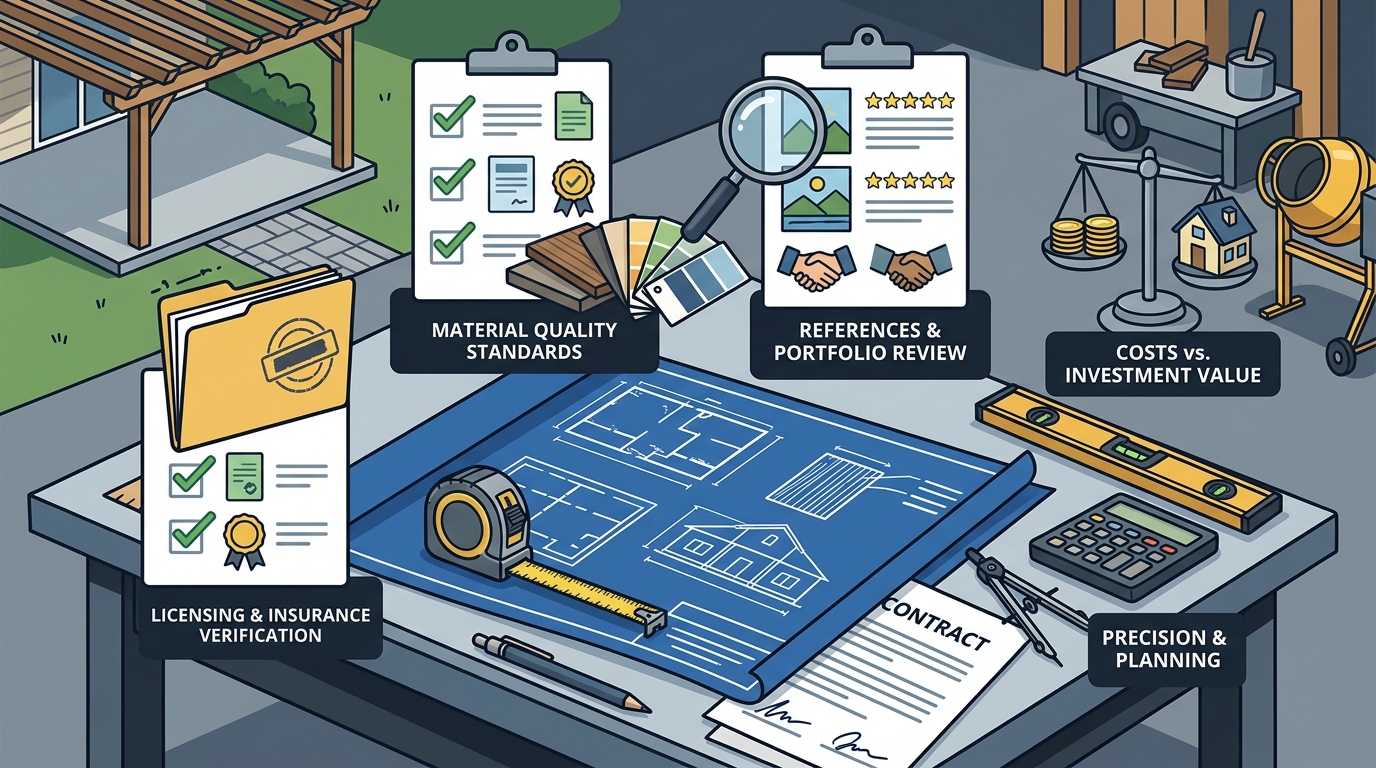
The foundation of any safe home improvement project is legal compliance. Homeowners must confirm that their contractor holds a valid state license. In Louisiana, for example, contractors working on projects over $7,500 must be registered with the Louisiana State Licensing Board for Contractors. This registration ensures they meet specific competency standards.
Insurance is equally vital. A reputable contractor carries both general liability insurance and workers' compensation coverage. General liability protects your property from accidental damage during work. Workers' compensation covers medical costs if a worker is injured on your site. Without this coverage, you could be held liable for workplace accidents. Always request a certificate of insurance directly from the provider before signing any agreements.
Step 2: Assess Specialized Experience
Not all contractors are created equal. Some specialize in general remodeling, while others focus on specific niches like outdoor living spaces or structural concrete work. Specialization matters when dealing with complex materials or unique architectural styles. For instance, working with cypress wood requires specific knowledge of its durability and treatment needs in humid climates.
Acadiana Patios & Construction has served the Lafayette, Louisiana, and Acadiana areas since 1985. This decades-long presence indicates stability and deep local knowledge. Longevity in the industry often correlates with a contractor's ability to navigate local building codes and weather challenges effectively. Ask potential contractors how many years they have been in business and how long they have performed the specific service you need.
Step 3: Review Portfolios and References
Visual evidence of past work provides insight into a contractor's quality standards. Review their photo galleries for projects similar to yours. Look for consistency in craftsmanship, attention to detail, and aesthetic alignment with your vision. A strong portfolio demonstrates capability, but it does not tell the whole story.
Speaking to past clients is crucial. Ask references about the contractor's reliability, cleanliness, and adherence to timelines. Did the project stay within budget? Were there unexpected surprises? Transparency in past performance is a strong indicator of future behavior. If a contractor hesitates to provide references, consider it a red flag. You can also check online reviews on platforms like Houzz or Yelp to gauge broader customer sentiment.
Step 4: Analyze Detailed Bids
Receiving multiple bids is standard practice, but comparing them requires careful analysis. A bid should be detailed, breaking down costs for materials, labor, permits, and cleanup. Vague estimates often lead to hidden costs later. Look for clarity in the scope of work. Does the bid specify the type of concrete coloring or the grade of cypress wood? Specificity reduces ambiguity.
Be wary of bids that are significantly lower than others. This often indicates cut corners, inferior materials, or a lack of understanding of the project scope. Conversely, the highest bid is not always the best. It may include unnecessary premium services. Aim for a bid that offers fair pricing for high-quality work. Competitive pricing does not mean the cheapest option; it means the best value for the investment.
Step 5: Evaluate Communication Styles
Home improvement projects involve frequent updates and decision-making. A contractor who communicates clearly and promptly will reduce stress and prevent misunderstandings. During the initial consultation, note how quickly they respond to emails and phone calls. Do they listen to your needs or push their own agenda?
Effective communication includes setting expectations for project milestones. A good contractor will outline a timeline with clear start and end dates, along with contingency plans for delays. They should explain the process in plain language, avoiding unnecessary jargon. Trust your instincts during these interactions. If you feel unheard or confused now, the project will likely be more difficult later.
Step 6: Scrutinize Contract Terms
A written contract is non-negotiable. It protects both you and the contractor by defining the legal boundaries of the agreement. The contract must include the total price, payment schedule, and detailed description of work. Avoid contractors who demand large upfront payments. A standard payment schedule might involve a deposit, progress payments, and a final payment upon completion.
Ensure the contract specifies how changes to the scope will be handled. Change orders should be documented in writing with adjusted costs and timelines. This prevents disputes over extra work. Also, verify that the contract includes a clause for dispute resolution. This provides a clear path for addressing issues without immediate litigation. Clarity in contracts is the best insurance against conflict.
Step 7: Confirm Warranty and Support
Quality workmanship comes with a guarantee. Ask about the warranty coverage for both materials and labor. Some contractors offer limited warranties, while others provide comprehensive coverage. Understanding what is covered and for how long is essential. For example, insulated patio covers may have different warranty terms than standard screen enclosures.
Post-project support is also important. A reliable contractor stands behind their work and is available for repairs or adjustments if issues arise. This commitment to long-term satisfaction distinguishes professional contractors from temporary operators. Check if the contractor is affiliated with professional organizations, which often require adherence to ethical standards and continuing education.
Comparing Contractor Service Models
Understanding the different ways contractors operate can help you choose the right fit for your project. Below is a comparison of common service approaches.
| Service Model | Pros | Cons | Best For |
|---|---|---|---|
| Full-Service Specialist | Deep expertise, streamlined process | May be limited to specific niches | Complex outdoor structures |
| General Remodeler | Versatile, handles multiple trades | Less specialized knowledge | Whole-home renovations |
| Material-Specific Installer | High-quality material handling | Limited scope of work | Concrete coloring and slabs |
| Custom Design Builder | Unique, tailored solutions | Higher cost, longer timeline | Custom sunrooms and pavilions |
Key Takeaways
- Verify Credentials: Always check for valid licenses and insurance certificates before hiring.
- Check Longevity: Contractors with decades of experience, like those serving Acadiana since 1985, offer proven stability.
- Demand Detail: Vague bids are risky; insist on itemized breakdowns of labor and materials.
- Review Past Work: Portfolio quality and client references are strong predictors of future performance.
- Written Contracts: Never proceed without a detailed contract outlining scope, payment, and change orders.
- Warranty Coverage: Confirm what is covered post-completion to protect your investment.
- Communication: Choose a contractor who listens and responds promptly during the vetting phase.
Frequently Asked Questions
How much should I pay as a deposit?
Typically, a deposit of 10% to 30% is standard. Avoid contractors who require more than 50% upfront. The deposit should cover initial material costs and scheduling, not serve as a profit margin before work begins.
What if the project goes over budget?
A detailed contract should include a clause for change orders. Any additional costs must be approved in writing by you before the work is performed. This prevents surprise bills at the end of the project.
How do I know if a contractor is insured?
Request a Certificate of Insurance (COI) directly from their insurance provider. Verify that the policy is current and covers both liability and workers' compensation. Do not rely on verbal assurances.
What is the difference between a general contractor and a specialty contractor?
A general contractor manages overall project coordination and may subcontract specific trades. A specialty contractor focuses on a specific area, such as patio covers or concrete work. For specialized outdoor projects, a specialty contractor often provides deeper expertise.
How long does a typical patio cover installation take?
Timelines vary based on complexity and materials. A standard cypress patio cover might take two to four weeks, while a custom insulated structure could take longer. Your contractor should provide a realistic timeline during the estimate phase.
Do I need a permit for my home improvement project?
Most structural improvements require permits. Your contractor should handle the permit application process, but you should verify that permits are pulled before work starts. This ensures the work meets local building codes.
What should I do if I am unhappy with the work?
Address issues immediately in writing. Refer to your contract's dispute resolution clause. If the contractor is unresponsive, you may need to contact your state licensing board or seek legal advice. Document all communications and photos of the work.
Ready to Start Your Project?
Choosing the right contractor is the first step toward a successful home improvement project. By following these vetting steps, you can ensure quality, safety, and peace of mind. Acadiana Patios & Construction has been a trusted name in Lafayette and Acadiana for decades, delivering high-quality patio covers, sunrooms, and outdoor living spaces. Contact us today for a free estimate and experience the difference of working with a dedicated professional team.