
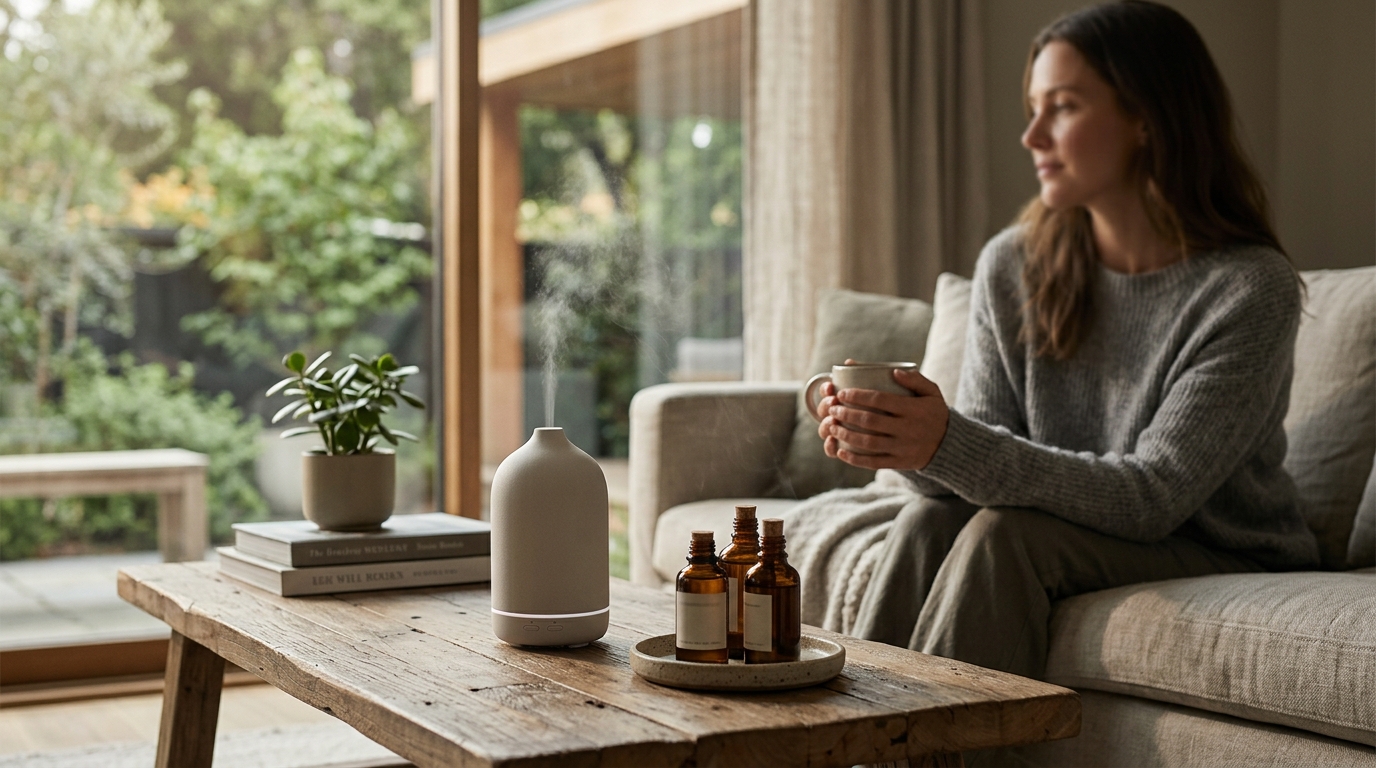
Creating a sanctuary within your home requires attention to both structural integrity and atmospheric comfort. While many homeowners focus on physical renovations, the invisible elements of air quality and scent play a pivotal role in daily well-being. According to the Environmental Protection Agency, indoor air can be two to five times more polluted than outdoor air, making the introduction of natural aromatic solutions a critical component of modern home care. This guide outlines the strategic selection and application of essential oils to enhance your living environment.
Understanding Essential Oils
Before selecting specific blends, it is vital to understand the nature of the products you are introducing into your home. Essential oils are concentrated hydrophobic liquids containing volatile aroma compounds from plants. Unlike synthetic fragrances, which often rely on petroleum-based chemicals, pure essential oils offer therapeutic benefits that can influence mood, energy levels, and respiratory health.
When sourcing these products, quality is paramount. Look for oils that are labeled as "100% pure" and "therapeutic grade." The market is flooded with diluted alternatives that offer little benefit beyond temporary scent. For homeowners in the Acadiana region, where humidity can impact both air quality and structural materials, using pure oils can also help mitigate musty odors naturally without relying on harsh chemical cleaners.
Matching Scents to Spaces
Not all rooms serve the same function, and therefore, not all scents are appropriate for every area. Strategic scent mapping ensures that your home supports the activities taking place within each room.
The Living Room: Warmth and Welcome
The living room is often the social hub of the home. Here, you want scents that promote relaxation and conversation. Citrus oils like sweet orange or lemon are excellent for uplifting the mood and cutting through stale air. Additionally, warm woods like cedarwood or sandalwood can complement the architectural elements of your home, such as cypress patio covers or wooden decks, creating a cohesive sensory experience.
The Kitchen: Freshness and Cleanliness
Kitchens accumulate cooking odors and grease. Essential oils with high antimicrobial properties are ideal here. Tea tree oil, eucalyptus, and peppermint are powerful deodorizers. Diffusing these oils can help neutralize food smells and create a perception of cleanliness that synthetic sprouts often fail to achieve.
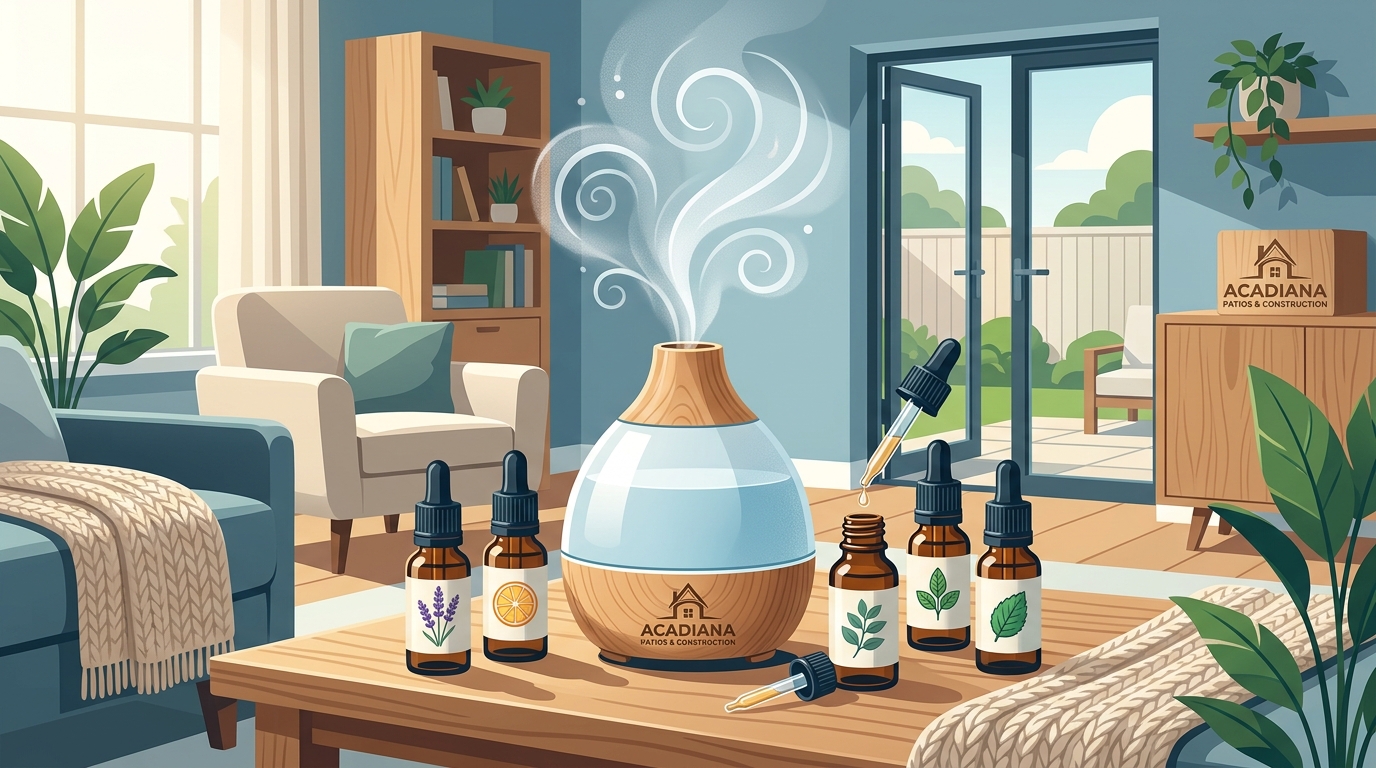
The Bedroom: Rest and Recovery
3Sleep hygiene is heavily influenced by your environment. Lavender is the most widely recognized oil for promoting sleep, but it is not the only option. Chamomile and vetiver offer deeper sedative effects for those struggling with insomnia. Avoid citrus or peppermint in the bedroom, as their stimulating properties can interfere with rest.
Diffusion Methods & Safety
Once you have selected your oils, the method of delivery determines their effectiveness and safety profile. There are several ways to disperse these aromas throughout your home.
Ultrasonic Diffusers
Ultrasonic diffusers are the most popular choice for residential use. They use water and ultrasonic vibrations to create a cool mist. This method not only disperses the scent but also adds humidity to the air, which is particularly beneficial in dry climates or during winter months when heating systems dry out indoor air.
Nebulizing Diffusers
For a more potent aromatic experience, nebulizing diffusers do not use water. They break the oil down into micro-particles, releasing a pure, undiluted scent into the air. This is ideal for small spaces or for targeted odor elimination, such as in a garage or workshop. However, they consume oil more quickly and should be used in well-ventilated areas.
Passive Diffusion
If you prefer a subtler approach, passive diffusion involves placing a few drops of oil on cotton balls, reed diffusers, or even on natural materials like colored concrete slabs or wooden furniture. This method provides a consistent, low-level scent that does not require electricity.
Integration with Home Improvement
Essential oils can be integrated into broader home improvement and maintenance strategies. For homeowners who have invested in insulated patio covers or sunrooms, maintaining a fresh and inviting atmosphere is key to enjoying these spaces year-round.
Consider using essential oils in your cleaning routine. A mixture of water, white vinegar, and a few drops of tea tree oil can serve as a powerful, non-toxic cleaner for outdoor furniture, decks, and porches. This approach aligns with the values of homeowners who prioritize both aesthetic beauty and structural longevity.
Furthermore, if you are planning to install outdoor kitchens or fireplaces, the scent of wood smoke can be overwhelming. Using a diffuser with a fresh pine or cedar oil near the entrance of your outdoor space can help balance the aroma, making the transition from indoors to outdoors more seamless.
Key Takeaways
- Purity Matters: Always choose 100% pure essential oils to ensure therapeutic benefits and avoid synthetic irritants.
- Room-Specific Scents: Match citrus oils to living areas for energy, and lavender to bedrooms for relaxation.
- Humidity Control: Ultrasonic diffusers add moisture to the air, which can help protect wooden structures and improve respiratory health.
- Cleaning Synergy: Combine essential oils with natural cleaners for a non-toxic approach to maintaining carports and garages.
- Professional Guidance: For complex home improvement projects, such as pool enclosures, consult with experts to ensure your aesthetic choices align with structural needs.
- Local Expertise: In the Acadiana region, consider how local humidity and climate affect both your home's structure and your choice of aromatic solutions.
- Consistency: Regular use of essential oils is more effective than occasional heavy diffusion for maintaining air quality.
Frequently Asked Questions
How often should I diffuse essential oils?
For most homes, diffusing for 30 to 60 minutes at a time is sufficient. It is important to allow the air to clear between sessions to prevent olfactory fatigue, where your nose becomes desensitized to the scent.
Are essential oils safe for pets?
Not all essential oils are safe for pets. Tea tree, peppermint, and citrus oils can be toxic to cats and dogs if ingested or inhaled in high concentrations. Always research specific oils and consult with a veterinarian before use in a pet-friendly home.
Can essential oils help with allergies?
While essential oils do not cure allergies, certain oils like eucalyptus and peppermint can help open nasal passages and reduce congestion. However, they should be used as a complementary therapy, not a replacement for medical treatment.
What is the best way to clean a diffuser?
Run a mixture of water and white vinegar through your diffuser for five minutes, then rinse thoroughly with clean water. This prevents the buildup of oil residue and maintains the device's efficiency.
How do I choose oils for a new home addition?
Consider the function of the new space. For a cypress pavilion, use outdoor-safe, insect-repelling oils like citronella or lemongrass. For an indoor sunroom, focus on uplifting citrus or calming lavender scents.
Do essential oils expire?
Yes, essential oils do expire. Citrus oils typically last one to two years, while woody oils like sandalwood can last up to ten years. Store them in dark glass bottles away from heat and light to maximize their shelf life.
Can I use essential oils in my HVAC system?
It is generally not recommended to put essential oils directly into your HVAC system, as they can damage the internal components and void warranties. Instead, use a diffuser in the room you wish to scent, or consult a professional for safe integration methods.
Transform Your Home Environment
Creating a home that feels both structurally sound and atmospherically inviting requires a holistic approach. Whether you are looking to enhance the ambiance of your motorized shades and screens or improve the air quality in your screened enclosures, the right essential oils can make a significant difference. For expert guidance on both your home's physical structure and its sensory environment, contact Acadiana Patios & Construction today. We have been serving the Lafayette and Acadiana areas since 1985, dedicated to delivering perfection in every project.