Hiring a Home Improvement Contractor in Louisiana: 7 Critical Vetting Steps
Homeowners in Louisiana face unique construction challenges due to the state's humid subtropical climate and frequent severe weather events. According to the National Weather Service, Louisiana experiences some of the highest rates of severe weather in the United States, making structural integrity and material durability non-negotiable factors in any renovation project. When selecting a contractor, you are not just hiring labor; you are securing a long-term partner for your property's safety and value. This guide outlines the essential verification steps to ensure you hire a qualified professional who meets state regulations and industry best practices.
Understand Louisiana Licensing Requirements
The first step in vetting any contractor is confirming their legal standing. In Louisiana, the Louisiana State Board of Contractors regulates the industry. While not all home improvement tasks require a specific license, general contractors and those performing work over certain monetary thresholds must be registered. A licensed contractor has passed background checks and financial stability tests. This registration ensures they are authorized to pull permits, which is crucial for maintaining your home's insurance validity and resale value.
Always ask for the contractor's license number and verify it directly on the state board's website. Do not rely on verbal assurances. A contractor who is transparent about their licensing status demonstrates compliance with state laws and a commitment to professional standards. This initial check filters out unqualified operators who might leave you liable for code violations or unpaid labor.
Verify Insurance and Bonding
Insurance is your primary financial shield during a construction project. You must request a Certificate of Insurance (COI) that includes both General Liability and Workers' Compensation coverage. General Liability protects your property against accidental damage caused by the crew, such as broken windows or damaged flooring. Workers' Compensation covers medical expenses if a worker is injured on your property. Without this coverage, you could be held personally liable for medical bills and legal fees.
Additionally, verify that the insurance policy is current and active. Contact the insurance provider directly to confirm the policy dates and coverage limits. A reputable contractor will provide this documentation without hesitation. This step is particularly important in regions prone to storm damage, where rapid response and proper safety protocols are critical. Ensuring your contractor is fully insured prevents catastrophic financial risks during the renovation process.
Evaluate Material Quality and Warranties
The longevity of your home improvement project depends heavily on the materials used. Louisiana's high humidity and heat can degrade inferior materials quickly, leading to mold, rot, and structural failure. Ask your contractor about the specific brands and grades of materials they propose. High-quality vinyl, aluminum, or cypress wood are common choices for outdoor structures in this region due to their resistance to moisture and insects.
Furthermore, inquire about the warranties provided. Manufacturer warranties cover material defects, while workmanship warranties cover the installation quality. A contractor who stands behind their work will offer a robust workmanship warranty, often ranging from one to ten years. This guarantee indicates confidence in their installation techniques. For example, Acadiana Patios & Construction partners with leading manufacturers to provide warranties up to 10 years, ensuring long-term durability for clients in Lafayette and surrounding areas.
Check Industry Affiliations and Ratings
Professional affiliations serve as a proxy for a contractor's reputation and commitment to ethical business practices. Membership in organizations like the National Association of Home Builders or local chapters such as the Acadiana Home Builders Association suggests that the contractor adheres to a code of ethics and stays updated on industry trends. These organizations often require continuing education and adherence to best practices.
Additionally, check the contractor's rating with the Better Business Bureau. An A+ rating indicates a history of resolving customer complaints effectively and maintaining high ethical standards. Online reviews on platforms like Yelp and Houzz can also provide insight into past client experiences. Look for patterns in feedback regarding punctuality, cleanliness, and communication. Consistent positive reviews are a strong indicator of reliable service.
Assess Local Experience and Portfolio
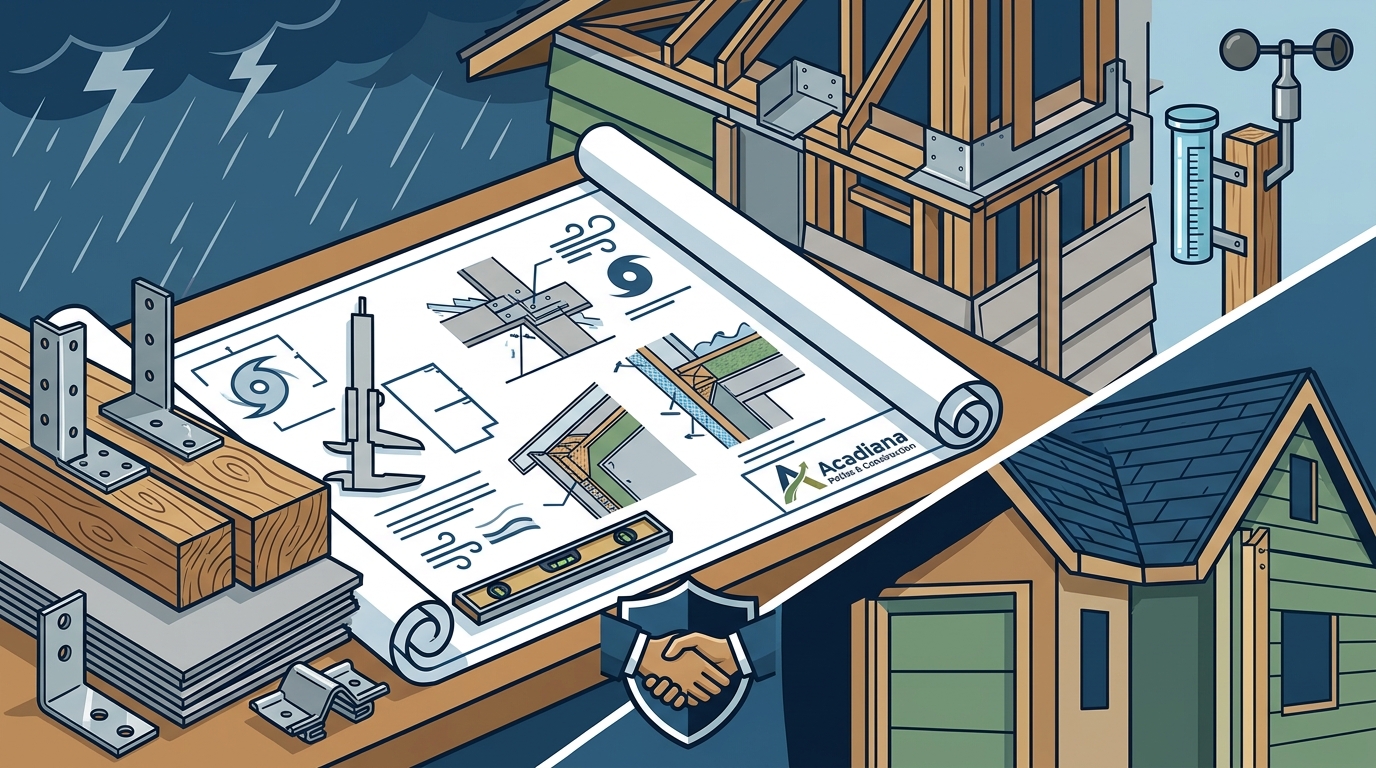
Local experience is invaluable in Louisiana's diverse microclimates. A contractor who has operated in the region for over 30 years, such as Acadiana Patios & Construction, understands the specific soil conditions, humidity levels, and weather patterns that affect construction. They know which materials perform best in the long term and how to design structures that withstand local weather events.
Request a portfolio of recent projects similar to yours. Look for photos that demonstrate attention to detail, such as clean lines, proper sealing, and aesthetic cohesion. A strong portfolio reflects the contractor's capability and style. If possible, ask for references from past clients and contact them to discuss their experience. Direct feedback from previous customers offers unfiltered insights into the contractor's reliability and work quality.
Review Contract Details and Payment Terms
A detailed, written contract is essential for protecting both parties. The contract should include a scope of work, materials list, timeline, and payment schedule. Avoid contractors who demand large upfront payments. A reasonable deposit might cover initial material costs, but the majority of payment should be tied to project milestones. This structure ensures the contractor remains motivated to complete the work to your satisfaction.
Ensure the contract specifies how change orders will be handled. Any deviations from the original plan should be documented in writing with adjusted costs and timelines. This prevents unexpected expenses and disputes later in the project. A clear contract also outlines cleanup procedures and final inspection requirements. Transparency in the contract is a hallmark of a professional and trustworthy contractor.
Compare Service Offerings and Expertise
Home improvement projects often require specialized skills. Whether you need a sunroom, a screened enclosure, or a concrete slab, ensure the contractor has specific expertise in that area. Generalists may lack the nuanced knowledge required for complex installations. For instance, installing sunrooms requires precise engineering to handle thermal expansion and moisture control. Similarly, concrete coloring demands artistic skill and technical knowledge to achieve consistent results.
Compare multiple contractors based on their service breadth and depth. A full-service contractor can handle everything from design to installation, simplifying the project management process. However, ensure they do not outsource critical components to unvetted subcontractors. Direct oversight ensures quality control and accountability. Choosing a contractor with comprehensive in-house capabilities often leads to smoother project execution and better final outcomes.
Key Takeaways
- Verify Licensing: Always check the Louisiana State Board of Contractors for active registration.
- Confirm Insurance: Require valid General Liability and Workers' Compensation certificates.
- Check Warranties: Look for workmanship warranties of at least one year, ideally up to 10 years.
- Assess Local History: Prioritize contractors with decades of experience in the local climate.
- Review Affiliations: Membership in the National Association of Home Builders indicates professional standards.
- Inspect Contracts: Ensure detailed scopes of work and milestone-based payment schedules.
- Evaluate Portfolios: Review past projects for quality and relevance to your specific needs.
Frequently Asked Questions
Do I need a licensed contractor for home improvements in Louisiana?
Yes, for many types of home improvement work, especially those involving structural changes or exceeding certain monetary thresholds, a licensed contractor is required by the Louisiana State Board of Contractors. Hiring an unlicensed contractor can void your home insurance and lead to legal complications.
What insurance should a home improvement contractor carry?
A contractor must carry General Liability insurance to cover property damage and Workers' Compensation insurance to cover employee injuries. Request a Certificate of Insurance directly from their provider to verify active coverage.
How long should a workmanship warranty last?
A reputable contractor should offer a workmanship warranty of at least one year. Many high-quality providers, such as those partnering with elite manufacturers, offer warranties up to 10 years, reflecting confidence in their installation quality.
Why is local experience important for contractors in Louisiana?
Local experience ensures the contractor understands the specific humidity, heat, and weather patterns of the region. This knowledge is critical for selecting materials that resist mold, rot, and storm damage, ensuring the longevity of your investment.
What should be included in a home improvement contract?
A comprehensive contract should include a detailed scope of work, a list of materials with brands and grades, a project timeline, a payment schedule tied to milestones, and procedures for handling change orders.
How can I verify a contractor's reputation?
Check their rating with the Better Business Bureau, review their membership in professional associations like the National Association of Home Builders, and read client testimonials on platforms like Yelp and Houzz.
Is it better to hire a generalist or a specialist?
For specialized projects like sunrooms or pool enclosures, a specialist with focused expertise is often preferable. However, a full-service contractor with in-house teams can simplify project management. Ensure they have direct oversight of all critical components.
Ready to Start Your Project?
Choosing the right contractor is the most critical decision in your home improvement journey. By following these vetting steps, you ensure your project is completed safely, legally, and to the highest quality standards. For trusted, professional home improvement services in Lafayette, Louisiana, and the Acadiana area, contact Acadiana Patios & Construction today. Request your FREE Estimate and experience the difference of working with a dedicated, licensed, and insured expert.