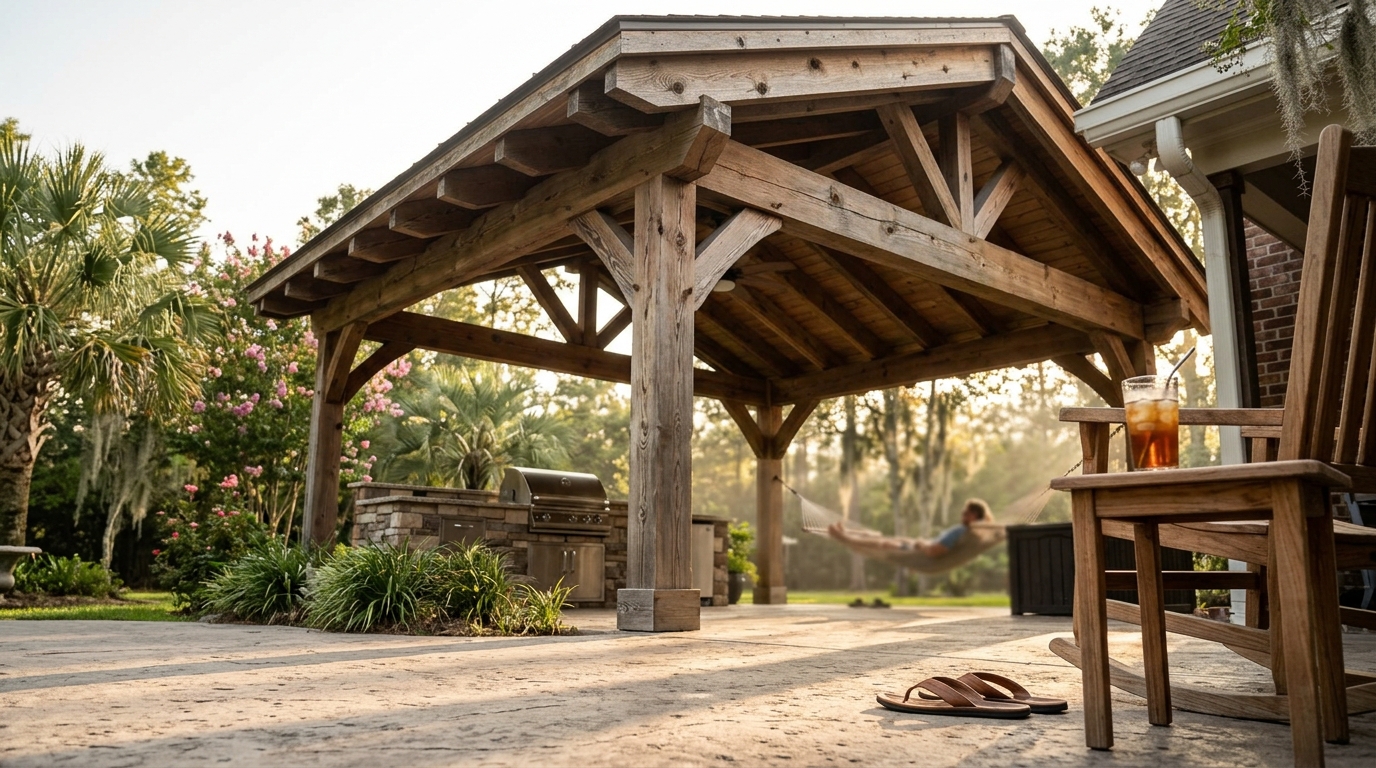
Living in Acadiana means embracing a climate that is as beautiful as it is demanding. The combination of intense solar radiation and high humidity levels creates a unique set of challenges for outdoor living spaces. According to recent climate data, Louisiana experiences some of the highest average annual humidity levels in the United States, often exceeding 70% relative humidity during summer months. This environmental factor accelerates the degradation of many common building materials, making material selection critical for longevity. Choosing the wrong patio cover can lead to premature rust, warping, or mold growth, turning your dream outdoor kitchen into a maintenance nightmare.
Why Material Choice Matters in Louisiana
When you live in Lafayette or the surrounding Acadiana areas, your home is constantly battling the elements. The sun does not just shine; it beats down with intensity that can raise surface temperatures of standard materials to over 150 degrees Fahrenheit. This thermal expansion and contraction cycle stresses joints and fasteners. Furthermore, the persistent moisture in the air creates an ideal breeding ground for organic growth and metallic oxidation.
A patio cover is not merely a decorative element. It is a structural investment that protects your outdoor furniture, flooring, and family from UV damage and sudden tropical downpours. If you are considering an outdoor kitchen or a permanent seating area, the roof material dictates the lifespan of the entire structure. Ignoring local climate conditions can result in costly repairs within just a few years. Therefore, understanding the specific performance metrics of each material is essential for making an informed decision.
The Case for Cypress Wood
For homeowners who prioritize natural aesthetics and historical authenticity, cypress patio covers remain a top contender in Louisiana. Cypress is native to the region and has been used in construction here for over a century. Its natural oils provide inherent resistance to rot, decay, and insect infestation, which are common issues in humid environments.
However, cypress is not a "set it and forget it" material. It requires regular sealing or staining to maintain its color and protect against the harsh UV rays that can cause the wood to gray and crack over time. Despite the maintenance, many residents prefer cypress because it blends seamlessly with the traditional architecture of Acadiana homes. The material offers excellent insulation properties, keeping the space underneath cooler than metal alternatives during peak afternoon hours. If you choose this route, ensure your contractor uses heartwood cypress, which is denser and more durable than sapwood.
Aluminum vs. Steel: Corrosion Resistance
When discussing durability in high-humidity zones, metal framing is often the preferred choice for its structural integrity. However, not all metals perform equally. Galvanized steel is strong but prone to rust if the coating is compromised. In contrast, aluminum patio covers are widely regarded as the superior option for Louisiana's climate. Aluminum naturally forms a protective oxide layer that prevents rust, making it virtually immune to the corrosion caused by salt air or high moisture content.
Aluminum is also lightweight, which reduces the load on your home's existing structure. This is particularly important for older homes in Lafayette where structural modifications must be carefully calculated. The material is also highly customizable, allowing for sleek, modern designs that complement contemporary architecture. While the initial cost may be higher than wood, the long-term maintenance is minimal. You typically only need to wash it down occasionally to remove pollen and dirt, ensuring it retains its finish for decades.
Insulated Patio Covers for Heat Reduction
One of the most significant challenges in Louisiana is not just rain, but heat. An uninsulated metal roof can turn your patio into an oven, making it unusable during the hottest parts of the day. This is where insulated patio covers become a game-changer. These structures feature a core of polyurethane foam sandwiched between two layers of aluminum. This design provides exceptional thermal resistance, keeping the underside of the roof significantly cooler than the ambient temperature.
The benefits extend beyond comfort. Insulated covers also reduce noise during rainstorms, a common occurrence in Acadiana. By dampening the sound of hail or heavy rain, you can enjoy your outdoor space even during inclement weather. Additionally, the improved energy efficiency can help lower your indoor cooling costs if the patio is attached to your home. For families looking to maximize their outdoor living season, insulation is a critical feature that bridges the gap between summer and early fall usability.
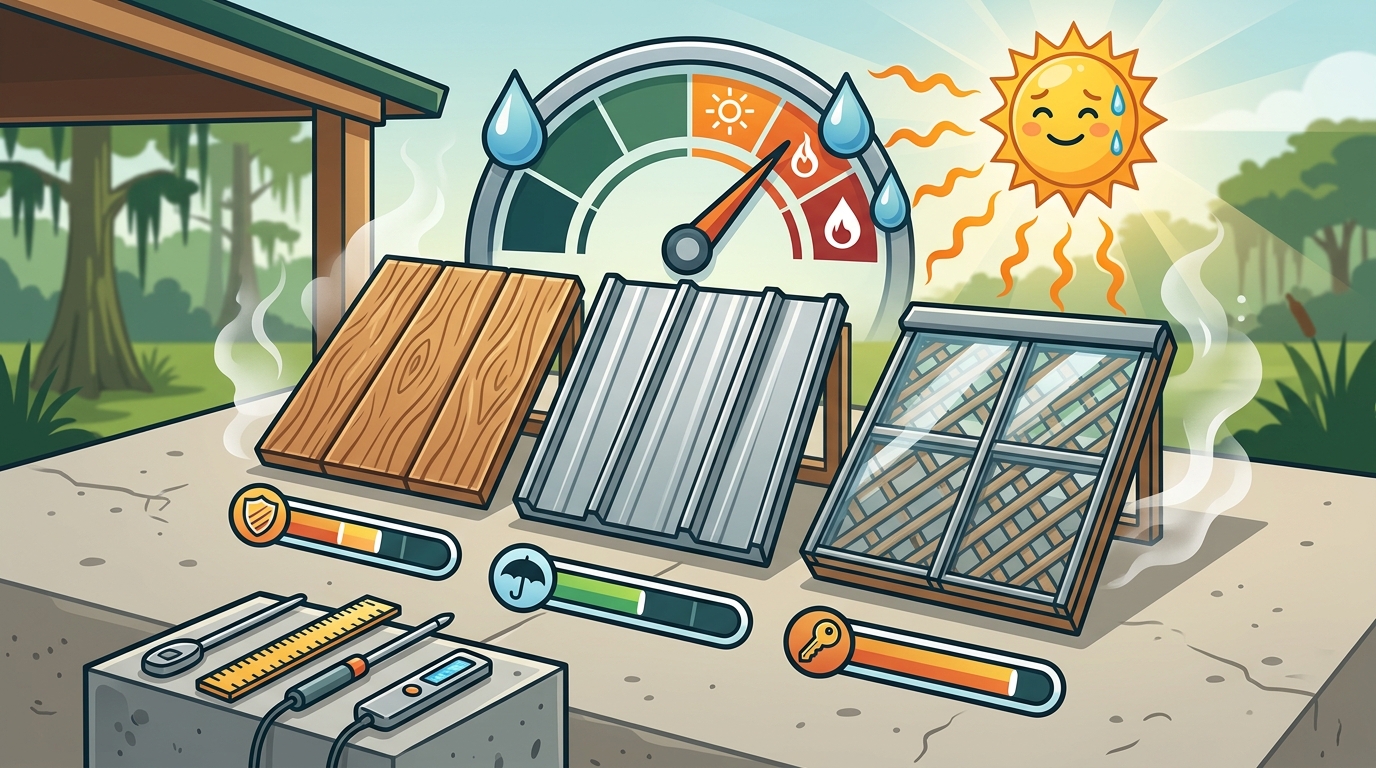
Concrete and Polycarbonate Options
While wood and aluminum dominate the market, other materials offer specific advantages. Concrete patio covers provide unmatched durability and fire resistance. They are heavy, requiring robust structural support, but they can last a lifetime with minimal maintenance. Concrete is also an excellent sound barrier and can be stained or colored to match your home's exterior, offering a custom look that is difficult to replicate with other materials.
For those who want natural light without the heat gain, polycarbonate panels are a viable alternative. These lightweight, shatter-resistant plastics allow diffused light to enter while blocking harmful UV rays. They are often used in sunrooms and screened enclosures. However, polycarbonate can yellow over time if not treated with UV inhibitors, and it may not provide the same level of privacy or aesthetic warmth as solid materials. It is best suited for specific design goals rather than general-purpose shading.
Material Comparison Matrix
To help you decide, here is a detailed comparison of the primary materials used in Louisiana patio construction.
| Material | Humidity Resistance | Heat Insulation | Maintenance Level | Best For |
|---|---|---|---|---|
| Cypress Wood | High (Natural Oils) | Good | High (Sealing/Staining) | Traditional Aesthetics |
| Aluminum | Very High (Rust-Proof) | Low (Unless Insulated) | Low (Wash Only) | Durability & Modern Look |
| Insulated Aluminum | Very High | Excellent | Low | Year-Round Comfort |
| Concrete | Extreme | Very Good | Low | Maximum Durability |
Key Takeaways
- Climate Impact: Louisiana's high humidity accelerates rust and rot, making material selection critical for longevity.
- Cypress Benefits: Native cypress offers natural rot resistance and aesthetic appeal but requires regular maintenance.
- Aluminum Superiority: Aluminum is rust-proof and low-maintenance, making it ideal for coastal and humid regions.
- Insulation Value: Insulated patio covers significantly reduce heat transfer, extending the usability of your outdoor space.
- Professional Installation: Proper installation by a licensed contractor ensures structural integrity against high winds and storms.
- Warranty Protection: Many premium materials come with warranties up to 10 years, protecting your investment.
- Local Expertise: Contractors familiar with Acadiana building codes can navigate permits and regulations efficiently.
Frequently Asked Questions
Which patio cover material is most resistant to rust in Louisiana?
Aluminum is the most resistant to rust because it does not contain iron, which is the primary component that oxidizes. Unlike steel, which requires galvanization to prevent rust, aluminum naturally forms a protective layer that withstands high humidity and salt air.
Do insulated patio covers help with noise during rain?
Yes, insulated patio covers significantly reduce noise. The polyurethane foam core acts as a sound dampener, making rainstorms much quieter and more pleasant compared to uninsulated metal or concrete roofs.
How long does a cypress patio cover last in humid climates?
With proper maintenance, including regular sealing and staining, a cypress patio cover can last 20 to 30 years or more. The natural oils in the wood provide inherent resistance to decay and insects, which is crucial in Louisiana's environment.
Can I install a patio cover over my existing concrete slab?
Yes, you can install a patio cover over an existing concrete slab. However, the structural supports must be anchored securely into the concrete. It is important to consult with a professional to ensure the new structure does not compromise the integrity of the slab or your home's foundation.
What is the difference between a patio cover and a pergola?
A patio cover provides a solid roof that offers complete protection from rain and sun, while a pergola typically has an open lattice roof that allows partial sunlight and rain through. Patio covers are better suited for Louisiana's unpredictable weather patterns.
Are there financing options available for patio improvements?
Many reputable contractors offer financing options to help homeowners manage the cost of large projects. It is advisable to ask about payment plans or third-party financing when requesting a free estimate.
How do I choose between aluminum and concrete for my home?
Choose aluminum if you want a lighter structure with modern aesthetics and lower maintenance. Choose concrete if you prioritize maximum durability, fire resistance, and a custom architectural look that matches your home's exterior.
Schedule Your Free Estimate
Choosing the right patio cover material is a decision that will impact your home's value and your daily comfort for decades. At Acadiana Patios & Construction, we have over 30 years of experience helping homeowners in Lafayette and Acadiana navigate these choices. We are a licensed company in Louisiana, carrying full liability insurance and workman's compensation. Our team is committed to delivering exceptional craftsmanship using the best products from leading manufacturers.
Do not let the heat and humidity dictate your outdoor lifestyle. Contact us today to request a free estimate for your patio cover, sunroom, or outdoor kitchen project. We look forward to helping you create a functional and beautiful living space that stands the test of time.