
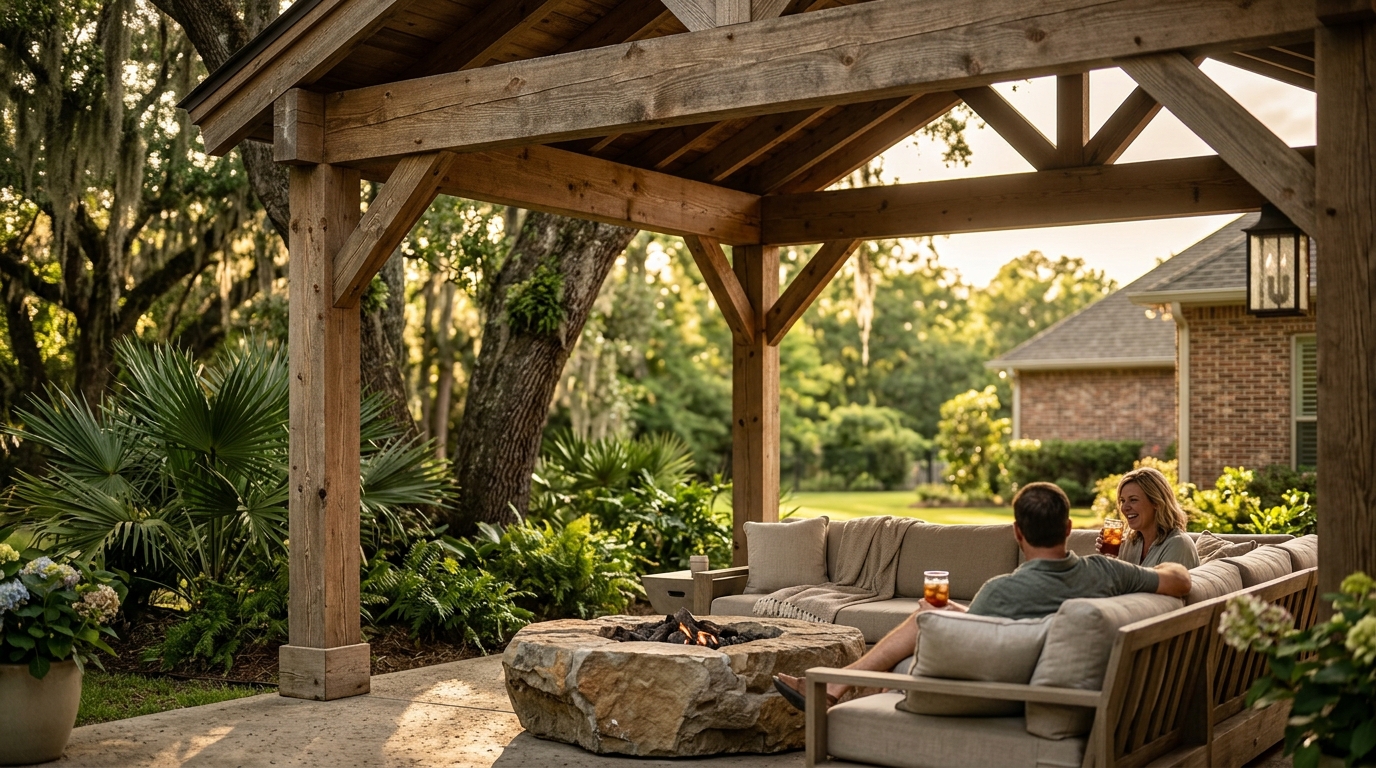
Living in the humid subtropical climate of Louisiana demands exterior materials that can withstand relentless moisture, intense UV exposure, and seasonal temperature swings. According to the National Oceanic and Atmospheric Administration, the Gulf Coast region experiences significantly higher humidity levels than the national average, creating an environment where standard wood products often fail prematurely. This environmental reality makes the selection of building materials a critical decision for homeowners seeking longevity and aesthetic appeal. Choosing the right cover for your outdoor living space is not just about shade; it is about investing in a structure that resists rot, decay, and insect damage for decades.
The Natural Resistance of Cypress Wood
Cypress wood is renowned for its unique chemical composition that provides inherent protection against the elements. This natural durability is the primary reason it has been a staple in Louisiana construction for over a century. The heartwood of the cypress tree contains extractives that act as a natural preservative, making it highly resistant to rot, decay, and fungal growth.
Unlike pressure-treated lumber, which relies on chemical injections to achieve resistance, cypress achieves this through its biological structure. This makes it a preferred choice for patio covers in regions with high moisture content. The wood's natural oils repel water, preventing the swelling and shrinking that leads to cracking and warping over time. For homeowners in Lafayette and the surrounding Acadiana area, this means a patio cover that maintains its structural integrity year after year without the need for excessive chemical treatments.
The resistance to insects is another critical factor. Termites and carpenter ants are common pests in Louisiana, and they often target softer woods. Cypress heartwood is naturally repellent to these pests, providing a passive defense system that protects your investment. This natural resilience ensures that your outdoor structure remains safe and sound, reducing the risk of costly repairs or premature replacement.
Aesthetic Appeal and Architectural Fit
Beyond its functional benefits, cypress offers an unparalleled aesthetic quality that enhances the beauty of any home. The wood features a rich, warm color palette that ranges from light golden hues to deeper reddish-brown tones. This natural variation adds character and depth to your outdoor living space, creating a welcoming atmosphere for family and friends.
Cypress wood is also highly versatile in terms of design. It can be easily stained, painted, or left to weather naturally to a silvery-gray patina. This flexibility allows homeowners to match their patio covers to the existing architecture of their home or to create a contrasting focal point in their backyard. Whether you prefer a traditional cypress patio cover or a more modern pergola design, the wood adapts to your vision.
The grain of cypress is typically straight and fine, which allows for smooth finishes and clean lines. This makes it ideal for detailed architectural elements such as beams, columns, and decorative trim. The wood's workability also means that craftsmen can create intricate designs that would be difficult to achieve with other materials. This attention to detail elevates the overall look of your home, adding curb appeal and value.
Structural Integrity and Durability
When it comes to outdoor structures, strength is just as important as beauty. Cypress wood is known for its excellent strength-to-weight ratio, providing robust support for roof structures while remaining relatively lightweight. This characteristic makes it easier to install and reduces the load on the supporting columns and foundation.
The durability of cypress is further enhanced by its dimensional stability. It resists warping, twisting, and shrinking better than many other softwoods. This stability is crucial for maintaining the alignment of your patio cover and ensuring that it continues to function properly over time. For example, cypress pavilions benefit significantly from this stability, as they often span larger distances and require precise engineering.
Additionally, cypress is resistant to splitting, which is a common issue with other woods when exposed to the elements. This resistance ensures that the structural components of your cover remain intact, even under heavy wind or snow loads. The combination of strength and stability makes cypress a reliable choice for long-term outdoor use, providing peace of mind for homeowners.
Maintenance Requirements for Longevity
While cypress is naturally durable, proper maintenance is essential to maximize its lifespan and preserve its appearance. Regular cleaning is the first step in maintaining a cypress patio cover. Using a mild detergent and water, you can wash away dirt, pollen, and other debris that may accumulate on the surface. This prevents the buildup of mold and mildew, which can discolor the wood over time.
Applying a protective sealant or stain is another important maintenance task. This helps to lock in the wood's natural oils and provides an additional barrier against moisture and UV radiation. It is recommended to reapply the sealant every two to three years, depending on the level of exposure to the elements. This routine care will keep the wood looking fresh and vibrant for many years.
Inspecting the structure periodically for signs of damage is also crucial. Look for any cracks, splits, or loose fasteners that may need attention. Addressing these issues early can prevent them from becoming major problems down the line. By following these simple maintenance steps, you can ensure that your cypress patio cover remains a beautiful and functional part of your home for decades.
Cypress vs. Alternative Materials
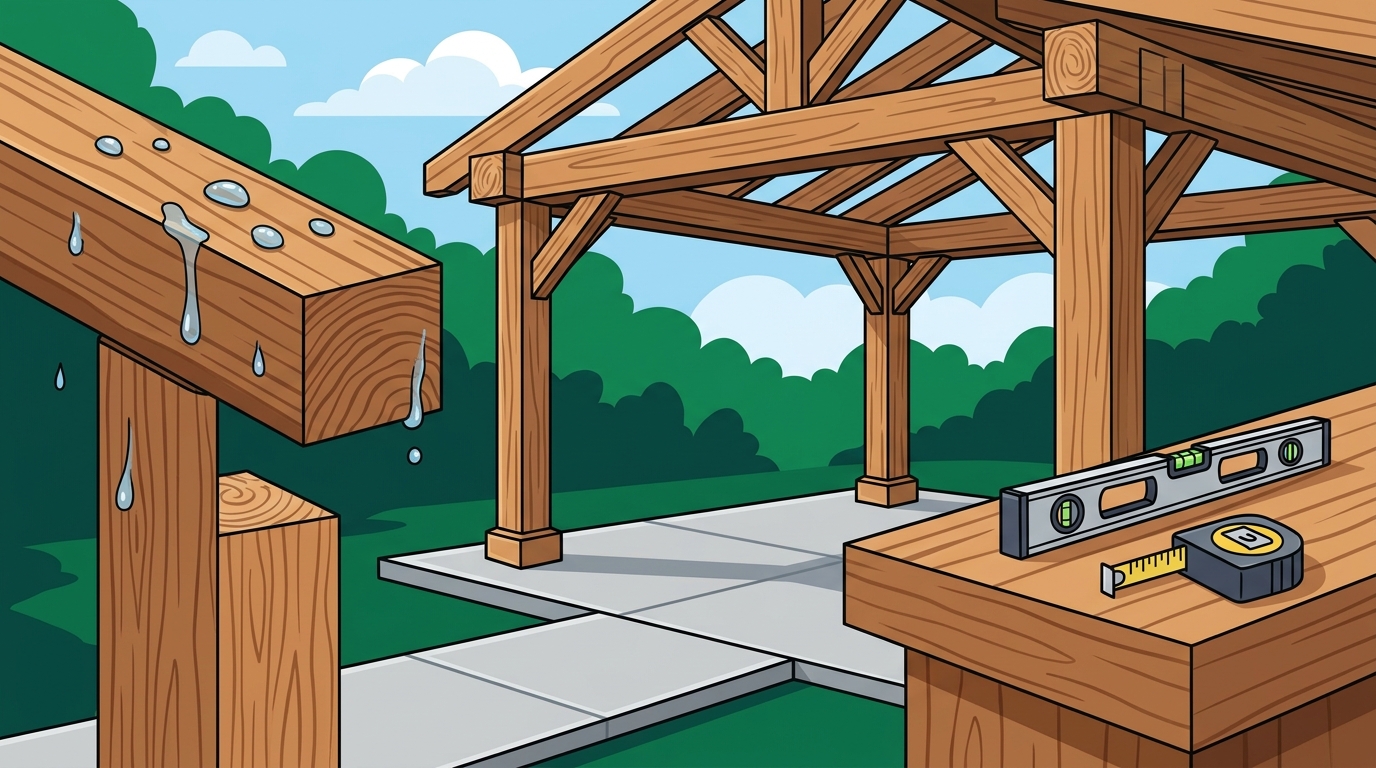
When choosing a material for your outdoor structure, it is helpful to compare cypress with other common options. Each material has its own set of advantages and disadvantages, and the best choice depends on your specific needs and preferences.
| Material | Durability | Maintenance | Aesthetic Appeal | Cost |
|---|---|---|---|---|
| Cypress | High | Low to Moderate | Excellent | Moderate |
| Pressure-Treated Pine | Moderate | Moderate | Good | Low |
| Redwood | High | Low | Excellent | High |
| Aluminum | Very High | Very Low | Fair | Moderate to High |
As shown in the table above, cypress offers a balanced combination of durability, maintenance, and aesthetics. While redwood is also highly durable, it is often more expensive and less readily available in Louisiana. Pressure-treated pine is a budget-friendly option but requires more frequent maintenance to prevent decay. Aluminum is virtually maintenance-free but lacks the natural warmth and beauty of wood. For homeowners who value both form and function, cypress stands out as the superior choice.
Key Takeaways
- Natural Resistance: Cypress heartwood contains natural extractives that repel rot, decay, and insects, making it ideal for Louisiana's humid climate.
- Aesthetic Versatility: The wood's rich color and fine grain allow for various design options, from traditional to modern styles.
- Structural Strength: Cypress offers an excellent strength-to-weight ratio and dimensional stability, ensuring long-term performance.
- Low Maintenance: Regular cleaning and occasional sealing are sufficient to maintain the beauty and integrity of cypress structures.
- Local Expertise: Acadiana Patios & Construction has over 30 years of experience installing cypress products in the Lafayette area.
- Warranty Protection: Partnerships with leading manufacturers provide warranties of up to 10 years on materials and workmanship.
- Community Trust: As an A+ rated member of the Better Business Bureau, the company prioritizes customer satisfaction and quality.
Frequently Asked Questions
How long does a cypress patio cover last?
With proper maintenance, a cypress patio cover can last for several decades. The natural resistance of the wood to rot and insects significantly extends its lifespan compared to other softwoods.
Is cypress wood resistant to termites?
Yes, the heartwood of the cypress tree contains natural oils that repel termites and other wood-boring insects, providing a built-in defense mechanism.
Do I need to stain my cypress patio cover?
While cypress can be left to weather naturally, applying a stain or sealant helps to preserve its color and provides an additional layer of protection against moisture and UV damage.
Can Acadiana Patios design a custom cypress structure?
Absolutely. Our team specializes in custom designs for cypress pavilions, pergolas, and arbors, tailored to fit your specific space and style preferences.
What areas do you serve in Louisiana?
We serve the Greater Lafayette, Acadiana, and surrounding areas, providing professional installation and repair services for residential and commercial properties.
Are your contractors licensed and insured?
Yes, Acadiana Patios & Construction is a licensed company in Louisiana and carries full liability insurance and workman's compensation for your peace of mind.
How do I get a free estimate?
You can request a free estimate by contacting us directly via phone at (337) 654-4337 or by filling out the contact form on our contact page.
Contact Acadiana Patios for Your Cypress Project
Investing in a cypress patio cover is an investment in the beauty, comfort, and value of your home. With its natural durability, stunning aesthetics, and structural integrity, cypress is the ideal material for outdoor living spaces in Louisiana. At Acadiana Patios & Construction, we are dedicated to delivering exceptional craftsmanship and customer service. Our team of trained professionals is ready to help you design and build the perfect cypress structure for your home.
Do not wait to transform your outdoor space. Contact us today to schedule your free estimate and discover the difference that quality cypress products can make. Let us bring your vision to life with the expertise and care you deserve.